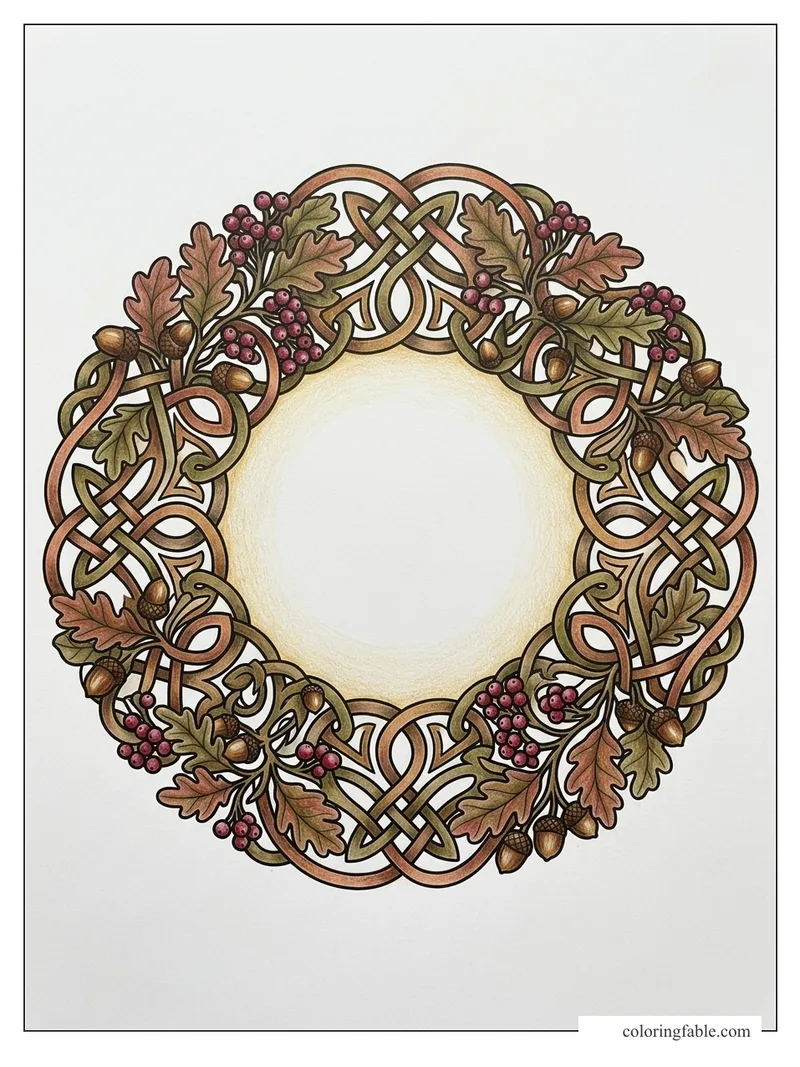
Why Wreaths Leave Open Centers — In the oak cloister, where rain sounded like beads poured into wooden bowls, Ivar carried his mother’s bone awl in a pocket sewn over his heart. Read the full story →
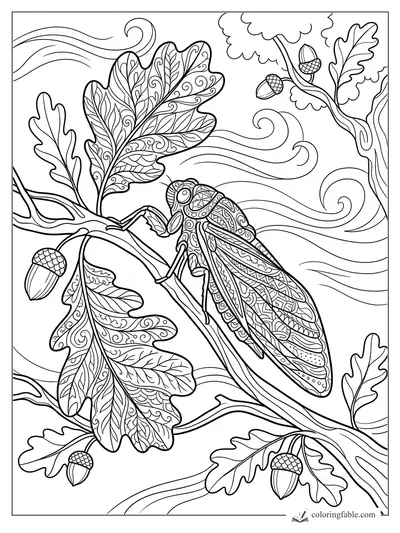
In the oak cloister, where rain sounded like beads poured into wooden bowls, Ivar carried his mother’s bone awl in a pocket sewn over his heart. It was too small for the great door-ring the council wanted, too dull for greenwood, too plain to praise. Still, he used it to score every curve before carving, because her hand had polished one side smooth as river shell.
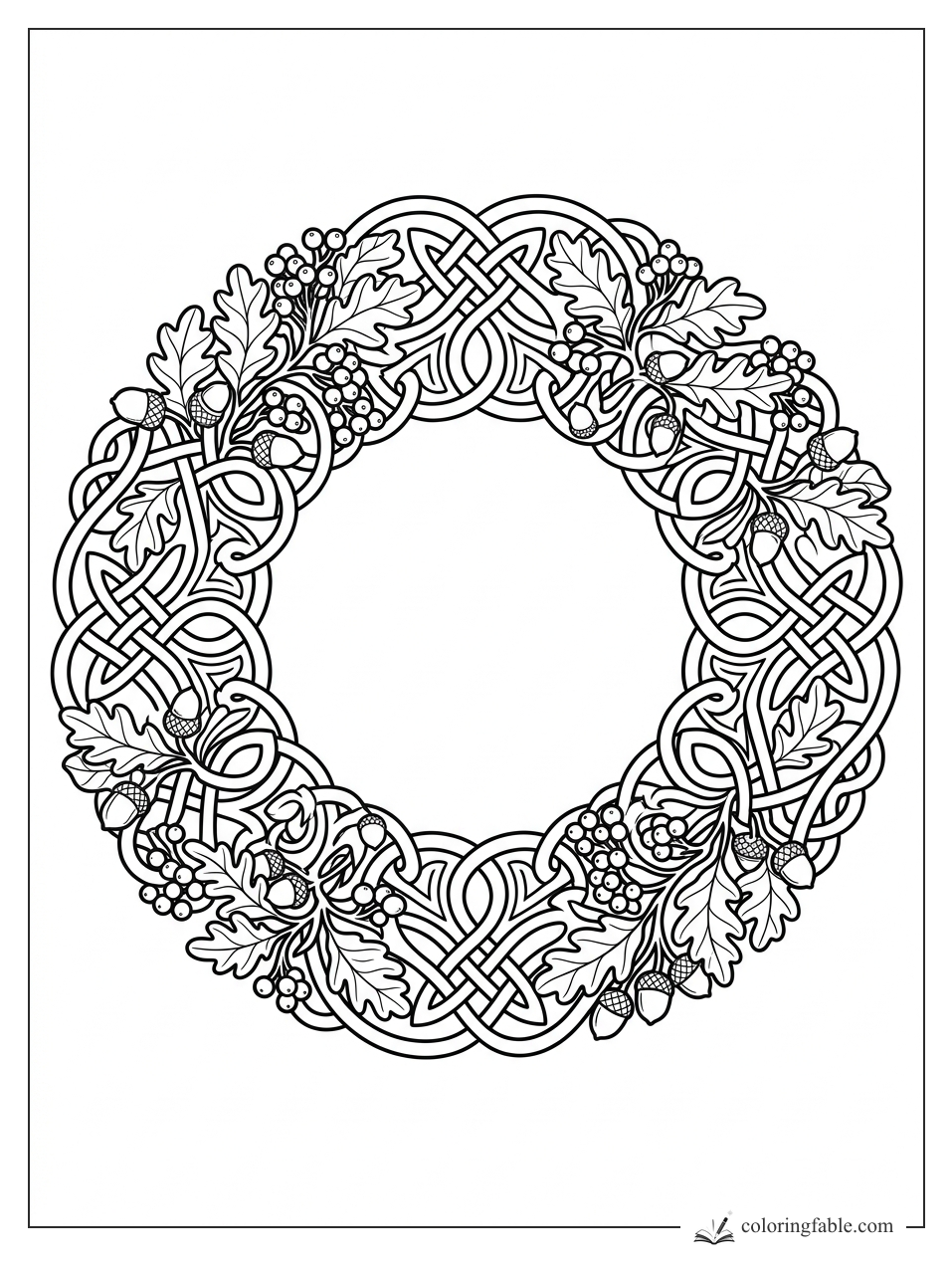
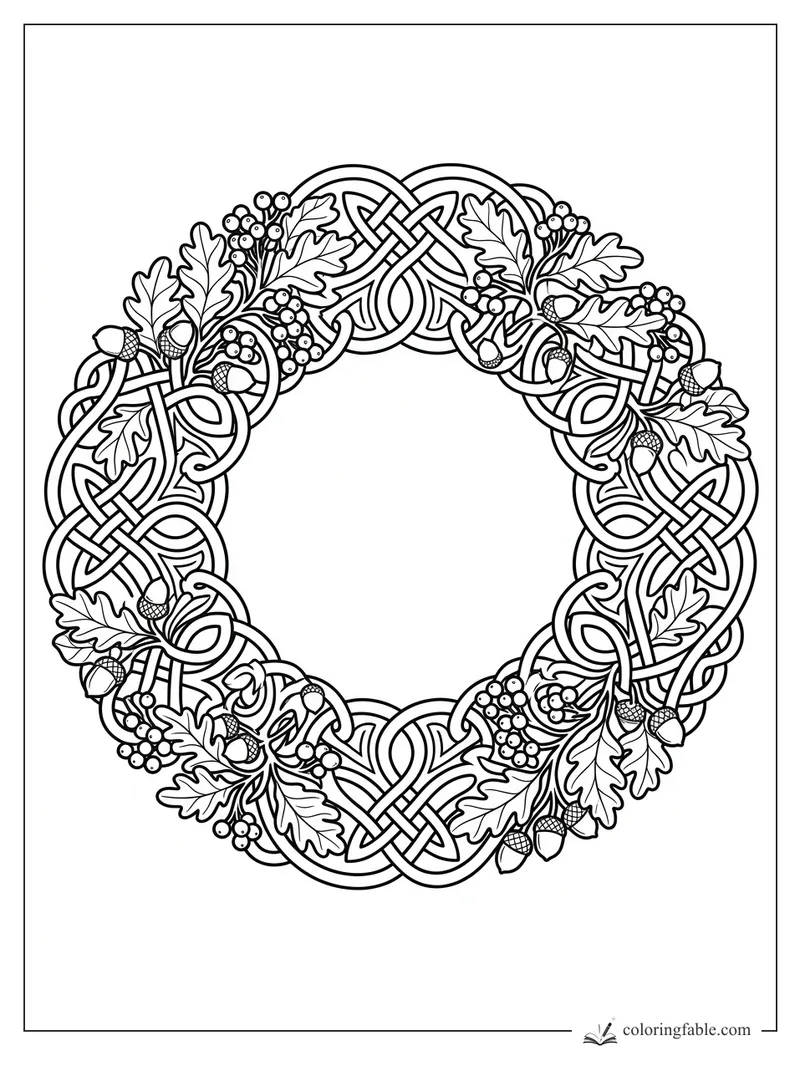
He meant to fill the ring completely: oak leaves, acorns, berries, knots crossing knots until no draft could enter. Near midnight, sap-smell thick in the air, the awl slipped and tapped three times against the blank middle. From that silence came a whisper: “Leave room.” Ivar worked on, prouder with each cut his own fingers steadied, but he did not carve the center. At dawn, a gold moth flew through the emptiness and the whole wreath held together around its passage.
Ever since, autumn wreaths keep an open center—not because something is missing, but because the maker’s hand leaves a doorway for the season’s secret to pass through.