Capybara coloring pages for calm animal fans and young artists
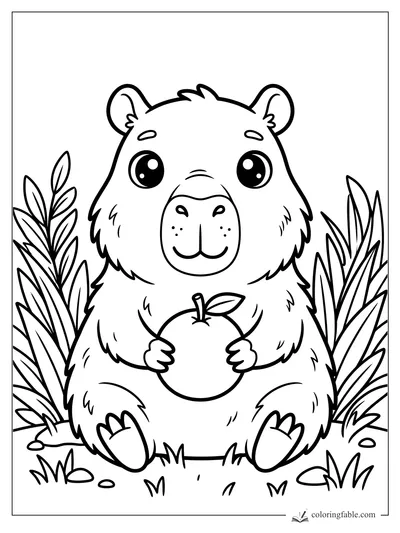
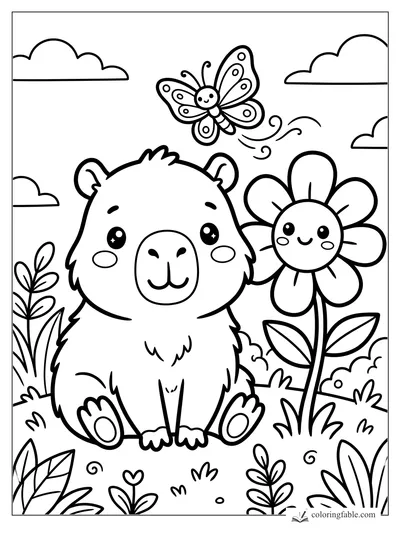
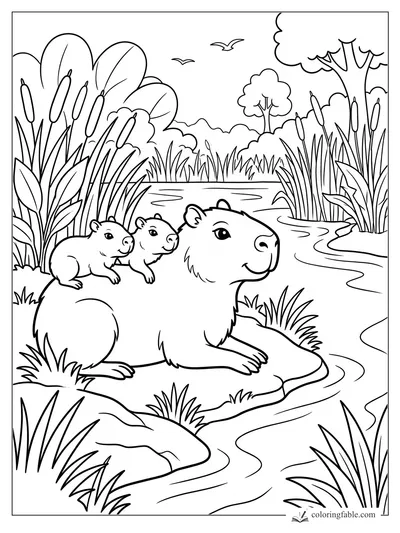
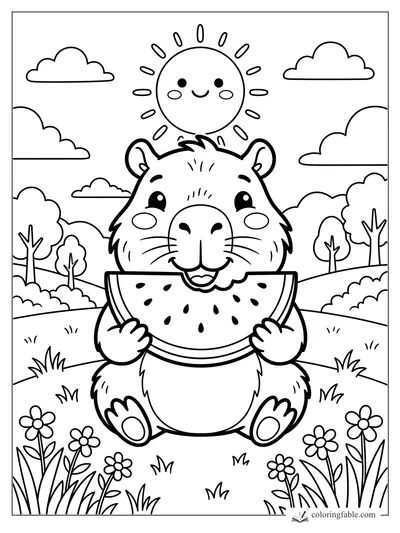
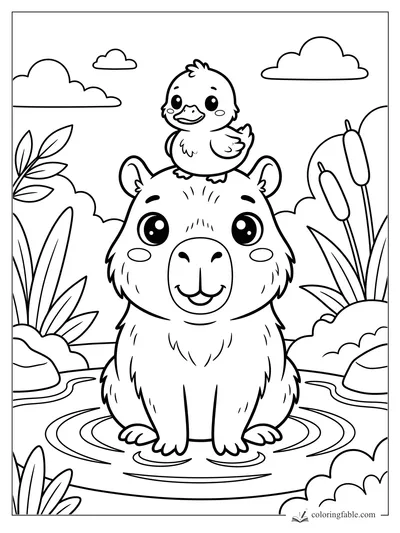
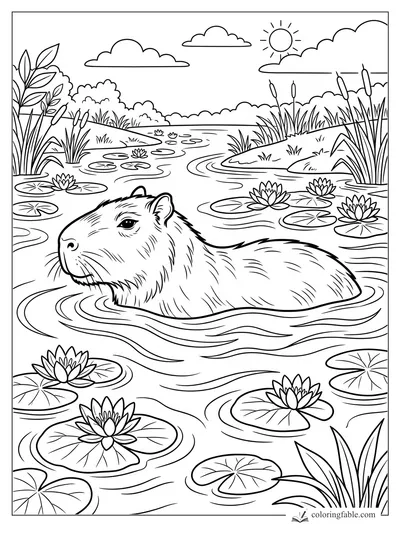
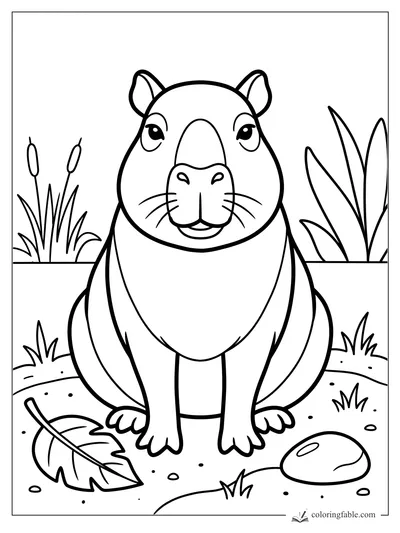
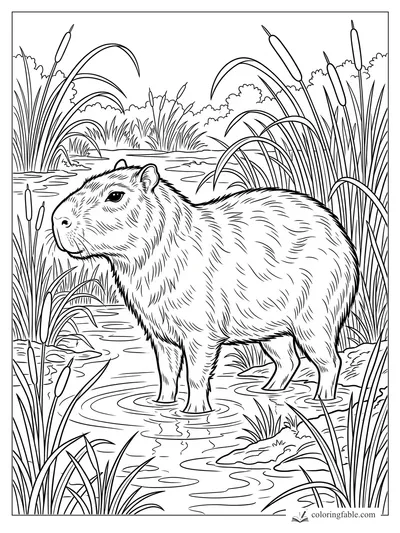
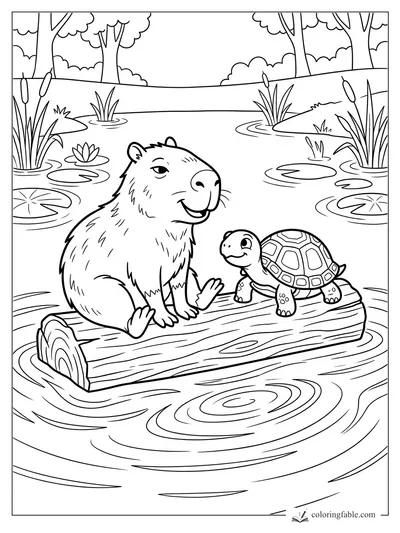
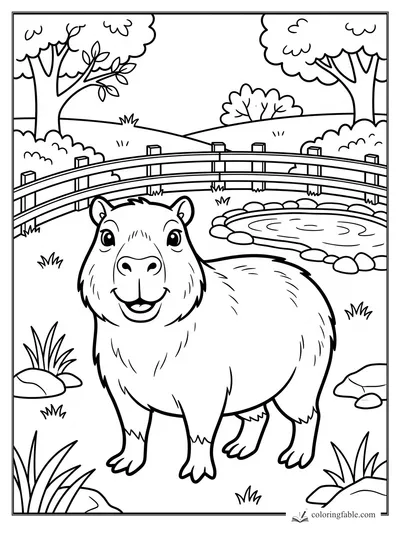
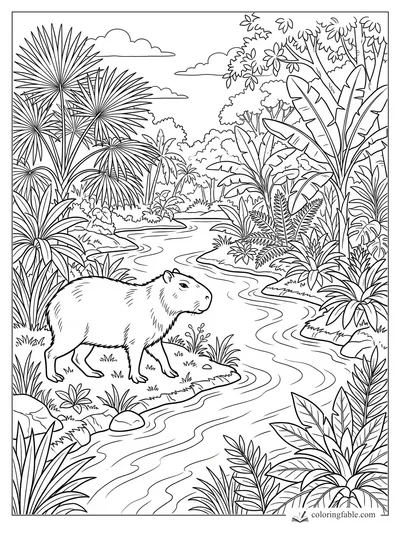
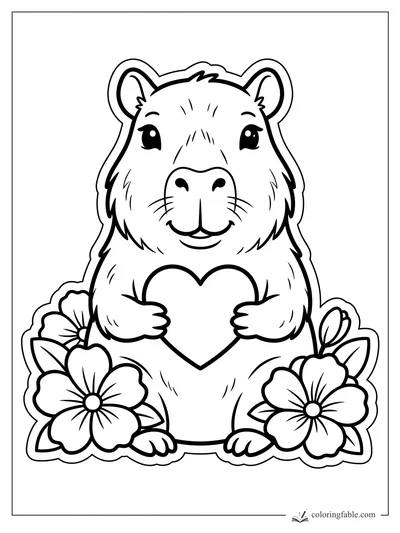
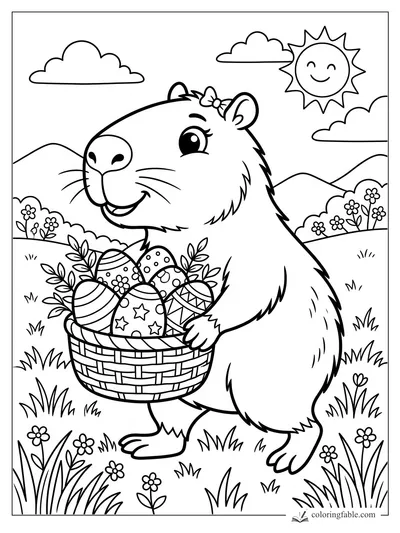
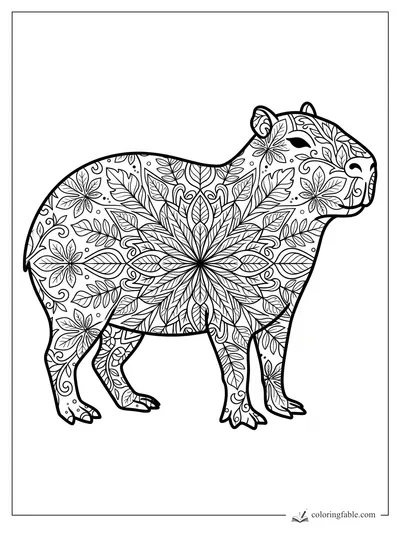
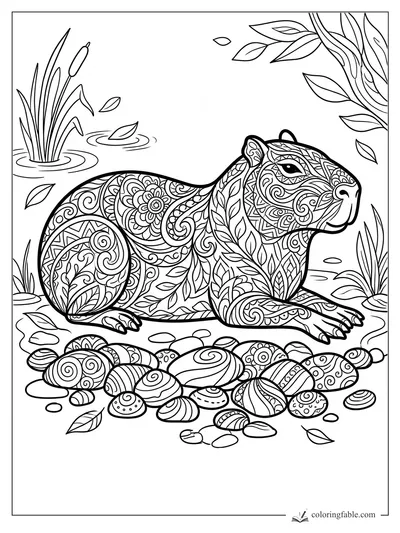
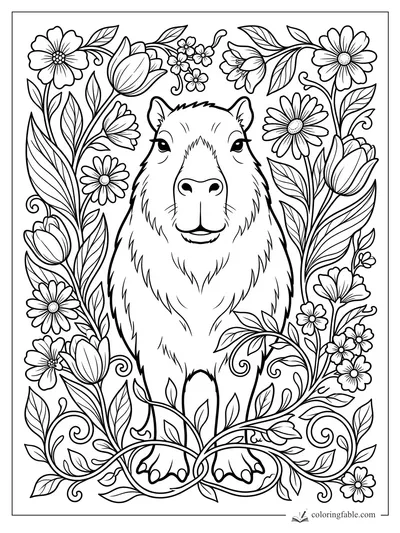
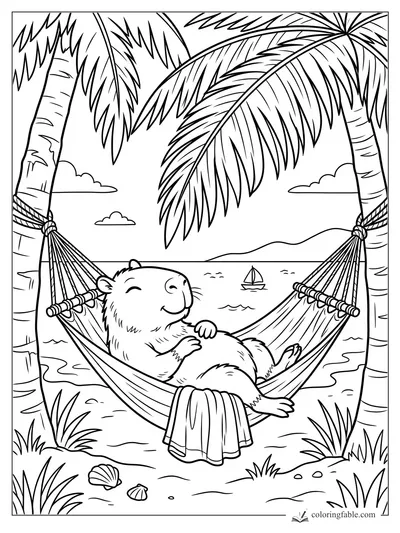
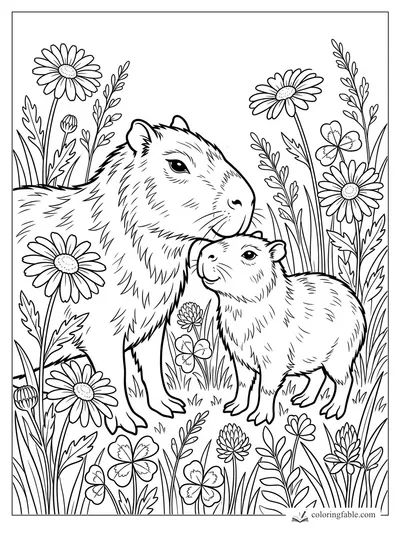
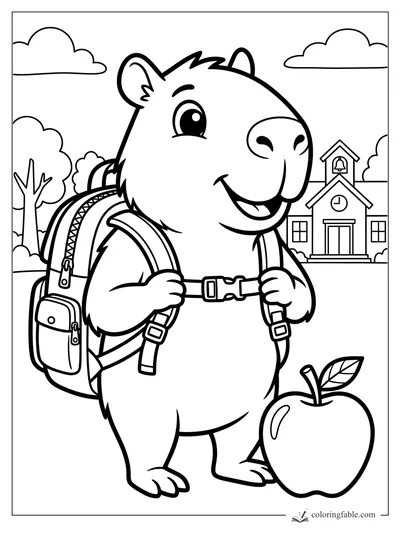
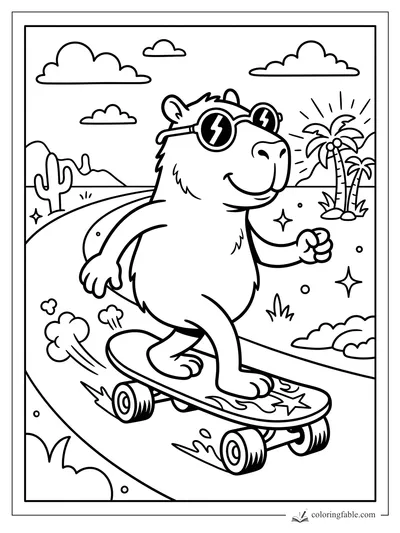
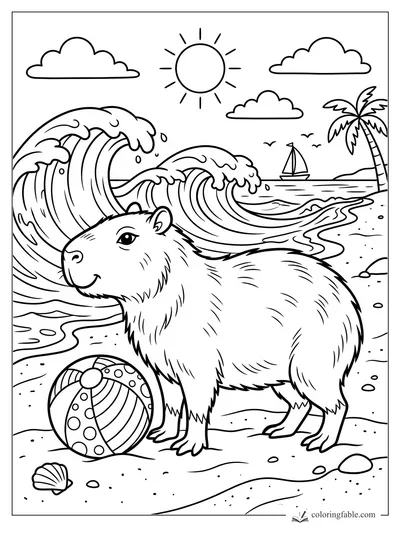
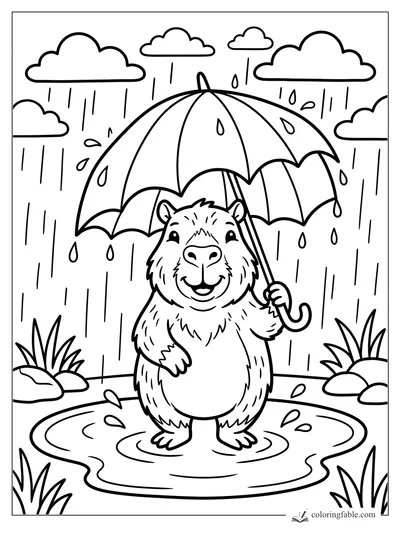
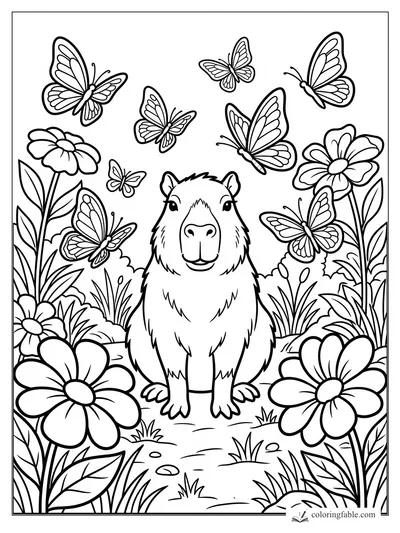
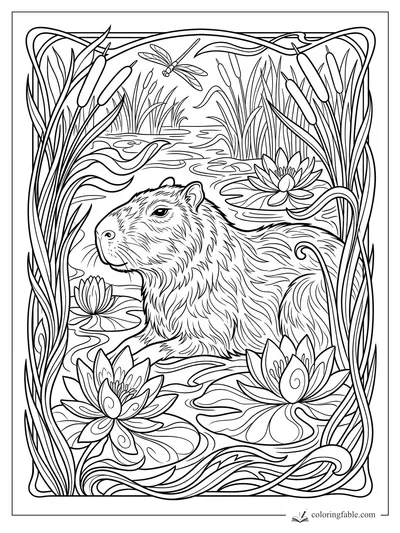
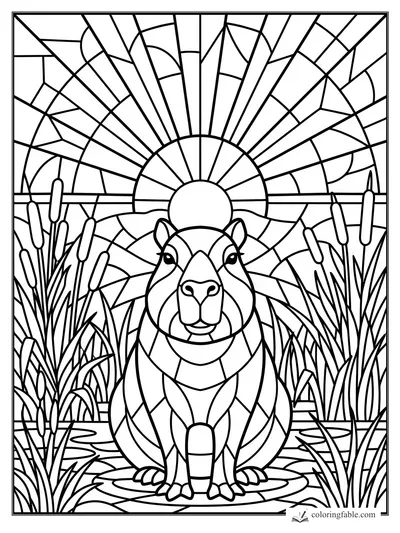
This capybara collection gathers printable pages of the world’s most relaxed-looking rodent: round babies, peaceful adults in ponds, capybaras with birds nearby, and wetland scenes with reeds and riverbanks. Younger kids can start with bold, simple outlines and big shapes, while older colorers can try pages with fur texture, water ripples, plants, and small background details. It is a good fit for animal-loving preschoolers, elementary-age kids learning about South American wildlife, and anyone who wants a gentle, low-stress coloring break.
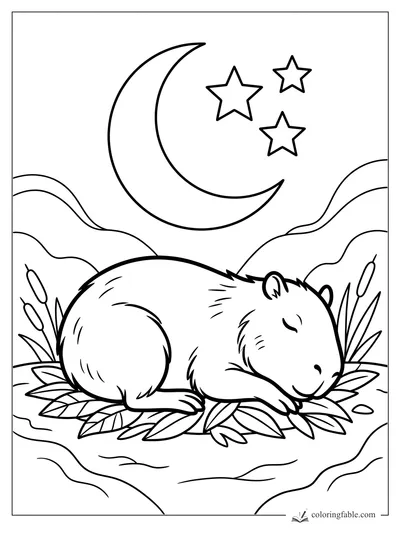
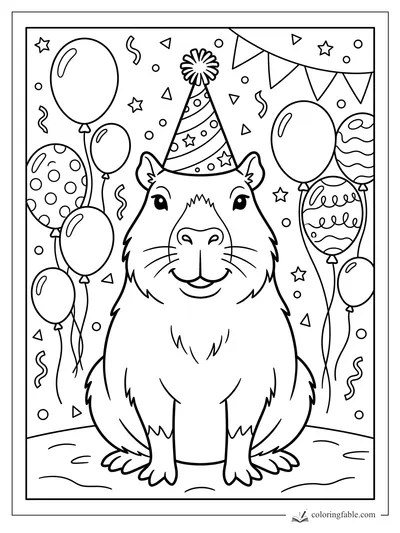
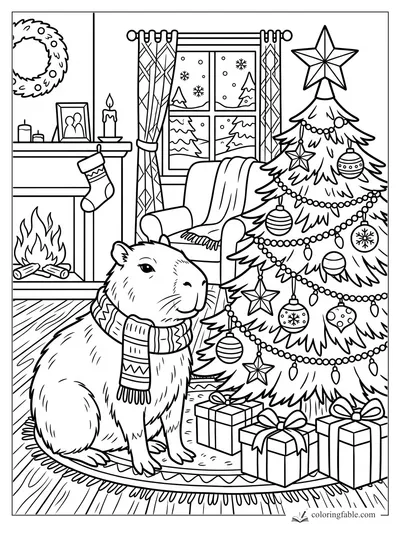
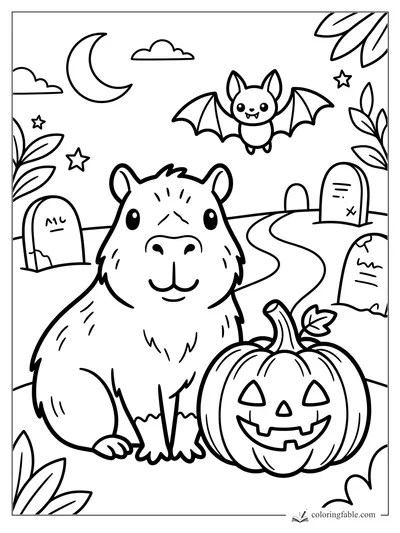
Capybara pages by style, mood and season
Fun facts to share while coloring
Capybaras are the largest living rodents in the world, and adult animals can weigh about as much as a medium-sized dog. They are native to South America, where they live near rivers, marshes, ponds, and flooded grasslands. Their slightly webbed feet help them swim, and they can stay underwater for several minutes when they need to hide. Capybaras are social animals, often living in groups that may include several adults and their young. Like other rodents, their front teeth keep growing, so chewing grasses and aquatic plants helps wear those teeth down.
Coloring tips
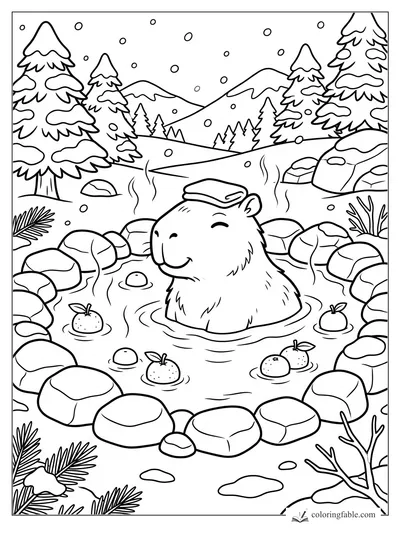
For a natural capybara palette, use warm chestnut brown for the coarse fur, lighter tan on the muzzle and belly, dark brown or black for the round eyes and nose, gray-brown for the feet, olive green for reeds, muddy beige for riverbanks, and blue-green for shallow water. Capybaras have simple, sturdy shapes, so try short, uneven pencil strokes that follow the curve of the back and cheeks instead of filling the body with one flat color. Add soft darker shading under the chin, belly, and legs. For a capybara-specific twist, color a spa-like scene with floating citrus fruit in the water, inspired by the famous hot-spring capybaras in Japan.
📕 Prefer it as a book?
TheCapybara Coloring Book: 20 pages hand-picked from this catalog, ordered from easy to intricate, with a personalized cover. One free PDF.