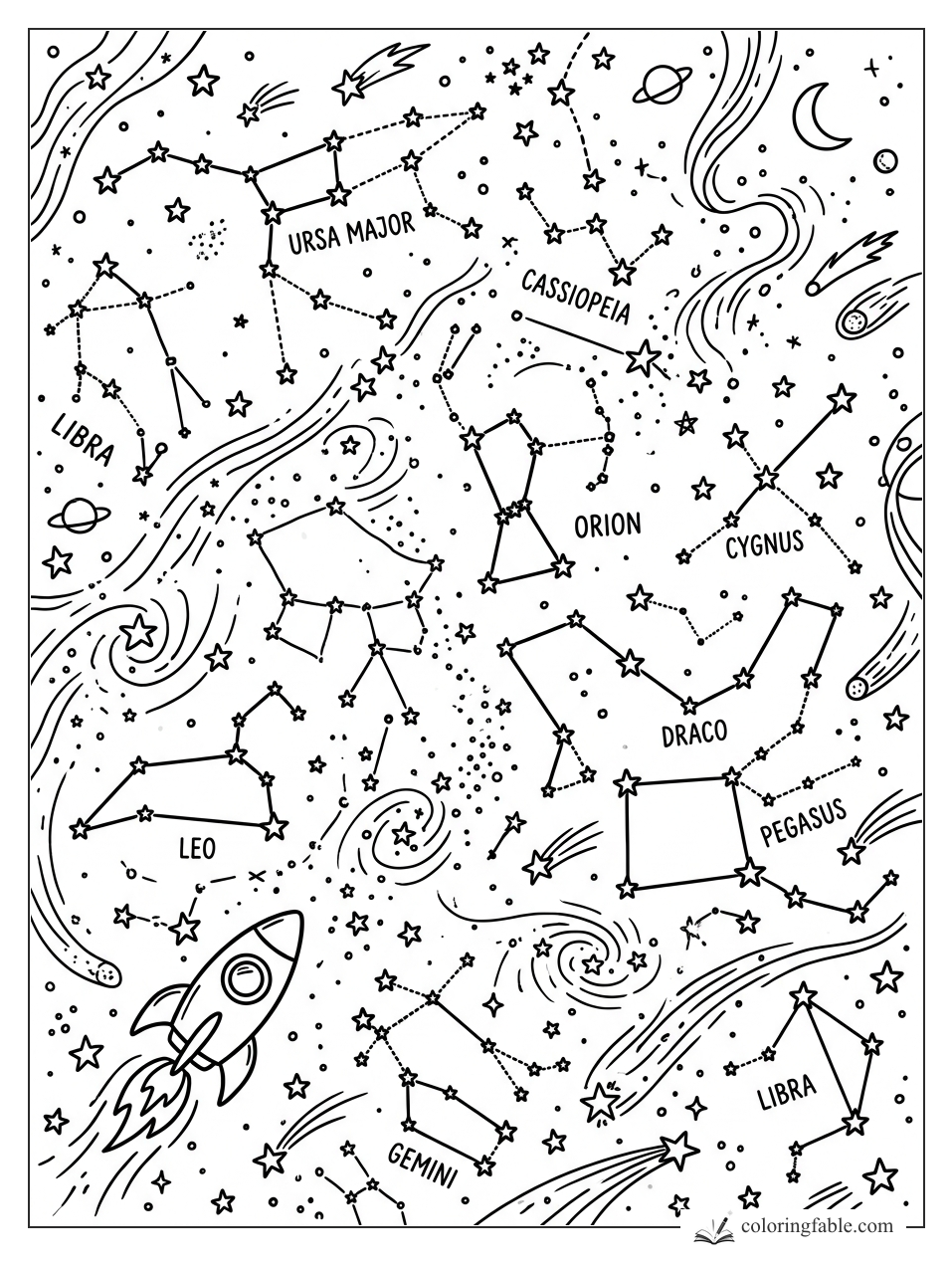
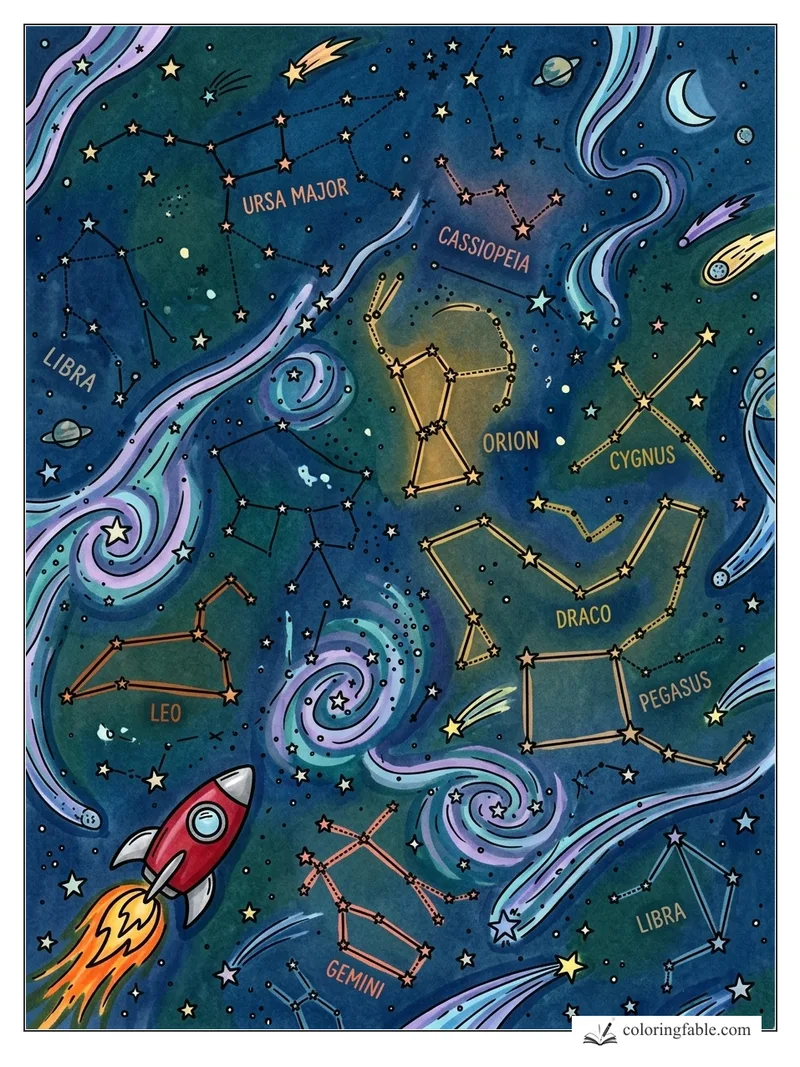
Why Star Maps Share Names — Between two sneezing comets, Cedro scratched a new game into his glove: point to a star, whisper a made-up creature, then race your rocket before the sparkle cooled. Read the full story →
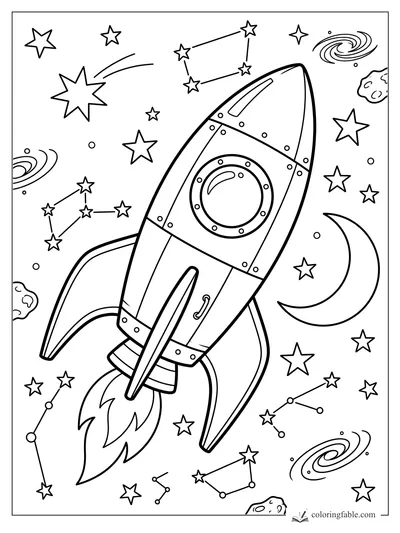
Between two sneezing comets, Cedro scratched a new game into his glove: point to a star, whisper a made-up creature, then race your rocket before the sparkle cooled. He wanted one perfect round all to himself. The crowded sky smelled like hot metal and frost, and every dot winked as if it knew a better rule. “No peeking,” Cedro told the nearest moon pebble, which, between us, was absolutely peeking.
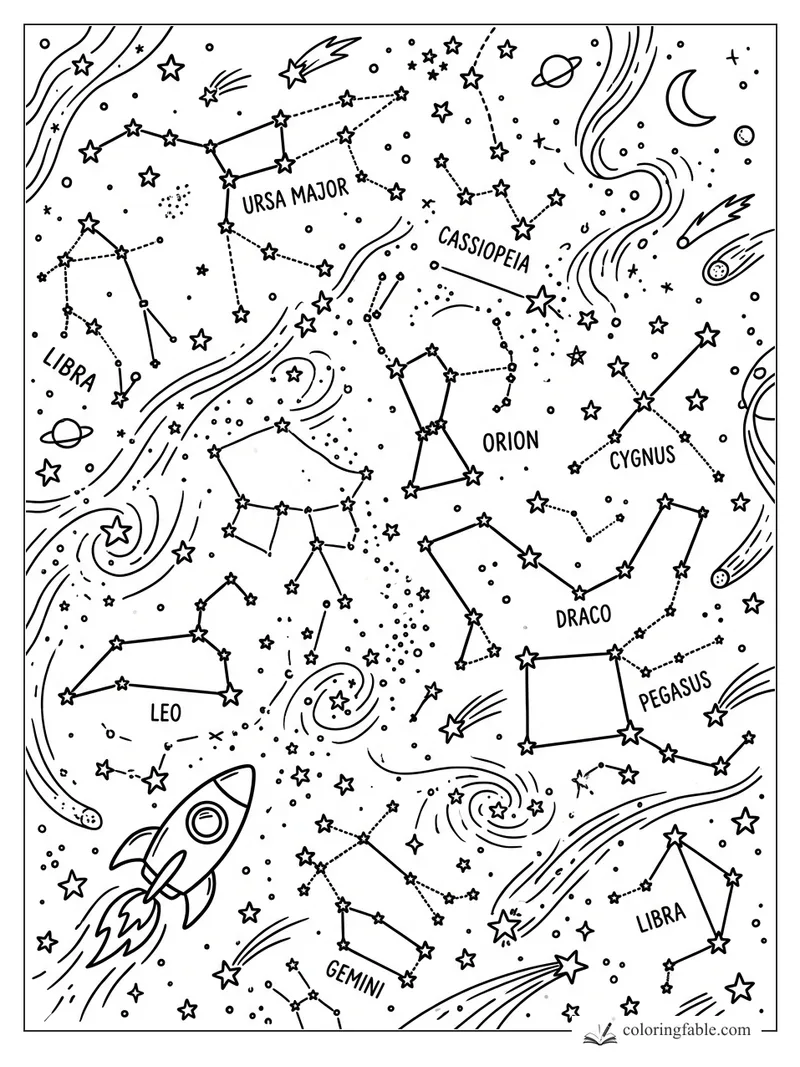
He zipped past a crooked lion, a tall hunter, a dragon curve, and a flying horse shape, whispering names so fast they tickled his teeth. But joy is a fizzy thing; it rattled in his helmet and would not stay quiet. Cedro tapped his radio once. Then twice. Soon faraway pilots answered, laughing through static, adding their own names to the dotted lines.
By the time his rocket flame curled blue behind him, the game had changed for good: no star pattern belonged to just one traveler anymore. Ever since, star maps print names beside the constellations, so anyone can join the whisper-and-point game. If you follow the labels scattered across the sky, you’re peeking into Cedro’s first shared round.