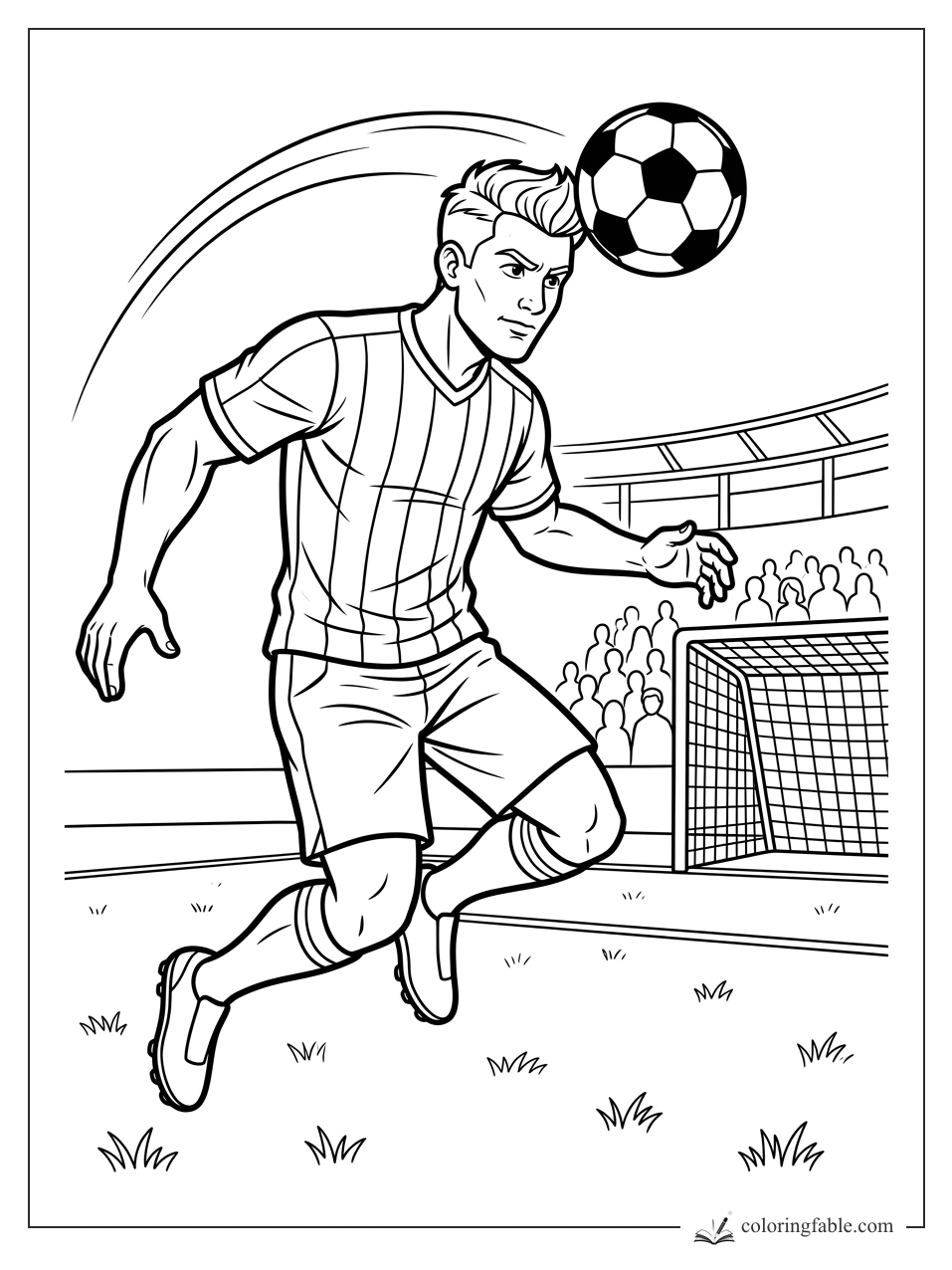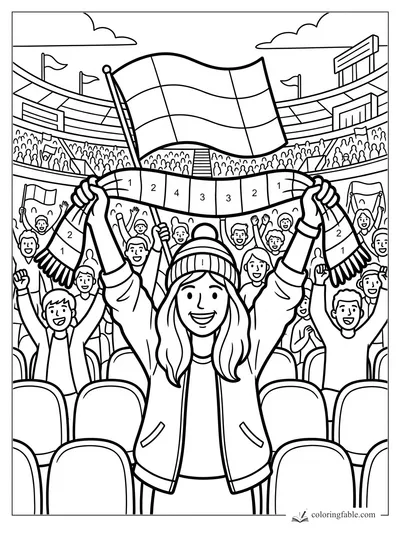
Why Headers Leave Arcs — Under the upper stand, Calder pressed his forehead to a practice ball that smelled like rain and rubber. Read the full story →
Under the upper stand, Calder pressed his forehead to a practice ball that smelled like rain and rubber. He wanted one clean header before the final whistle, but every ball he sent up dropped flat, thunk, as if the air had forgotten him. Then a tiny rattle came from inside the ball. Not loud—secret loud, the kind meant for one person exactly where he was.
“Did you hear that?” Calder whispered. The crowd boomed overhead like a sea in a metal shell, but the ball answered with a tick-tick. He turned it beneath the stair light and found a loose black patch. Tucked behind it was a curled silver ribbon, no wider than a shoelace, warm from hiding.
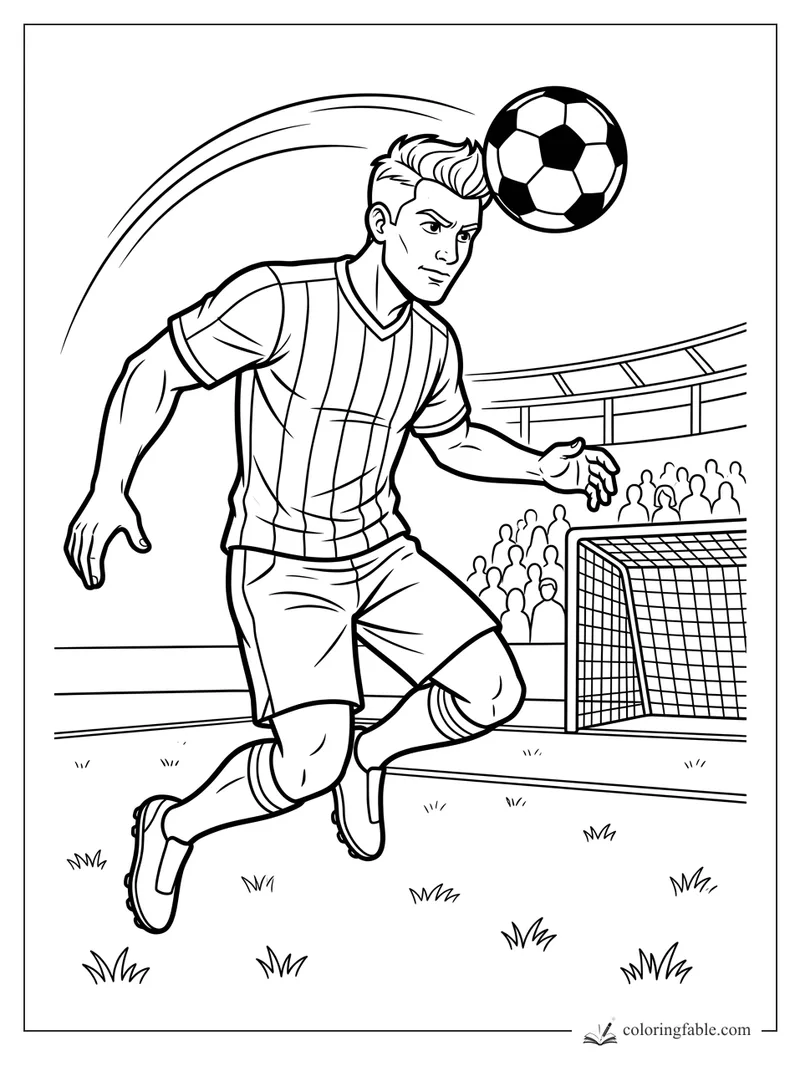
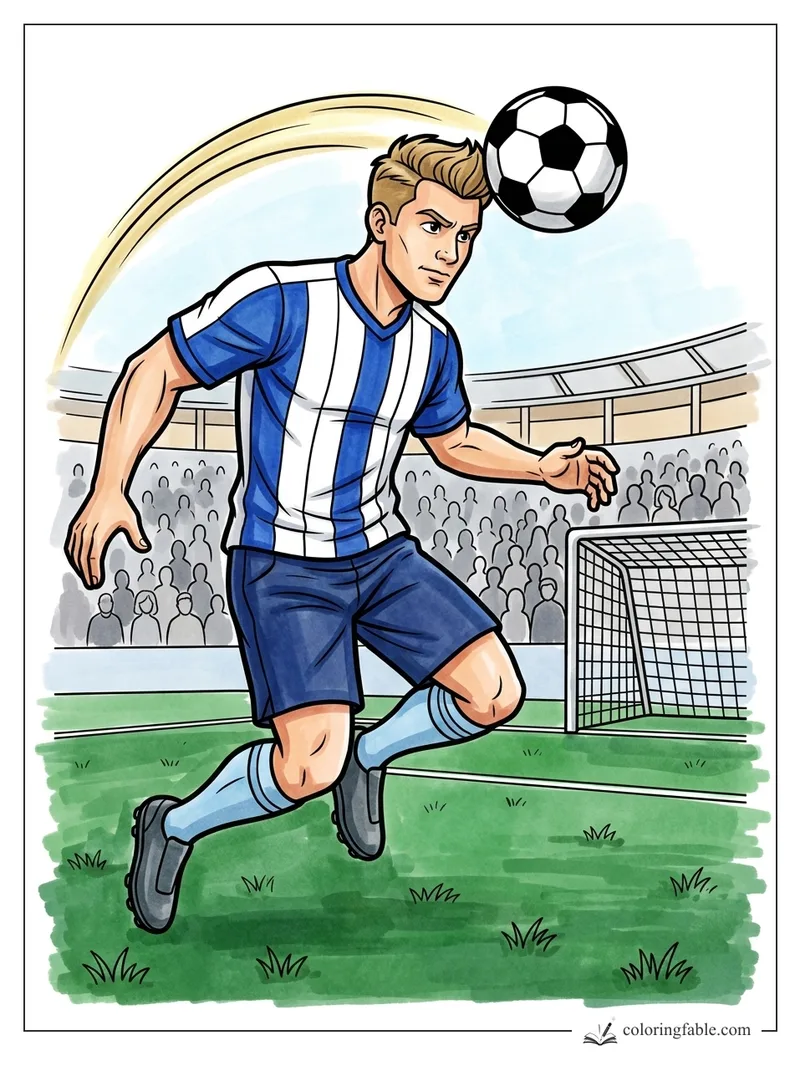
Calder ran back onto the grass and nodded once. When the cross came, he met it with his forehead, and the ribbon slipped free into the air, drawing a bright bend above him. The ball followed that bend straight toward the net. Ever since, headers have carried invisible arcs, and if you spot one curving over a player’s hair, you know the first ribbon is still showing the way.