The mandala style
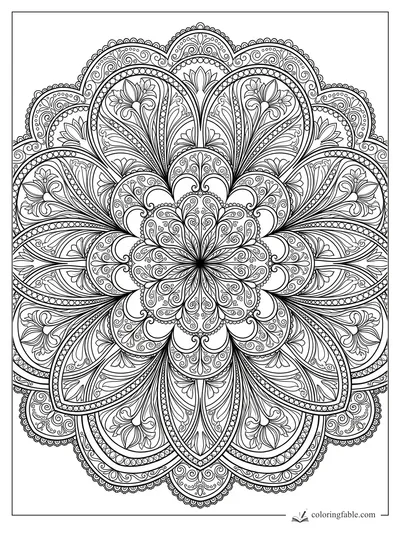
Mandala coloring pages with geometric, floral, and abstract designs
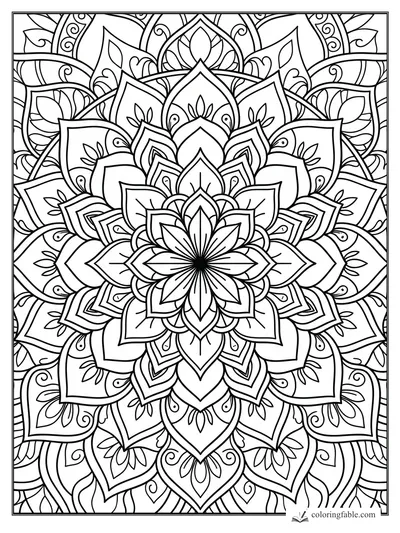
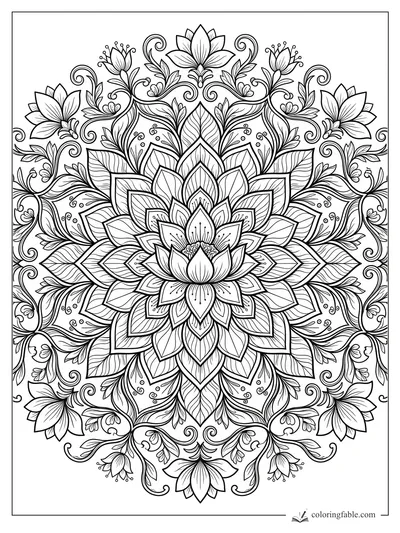
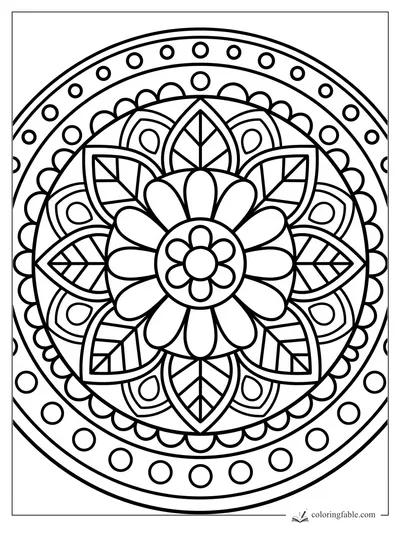
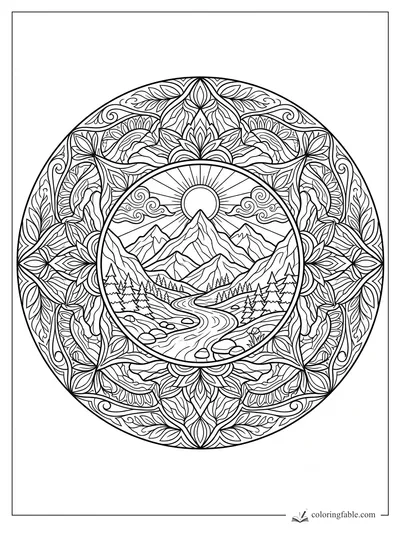
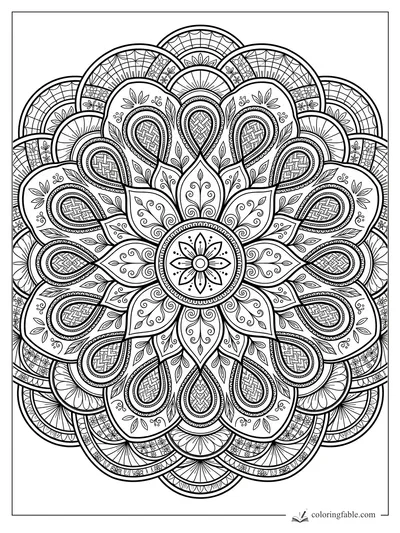
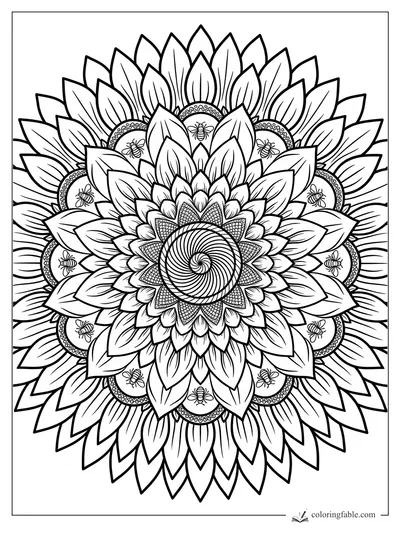
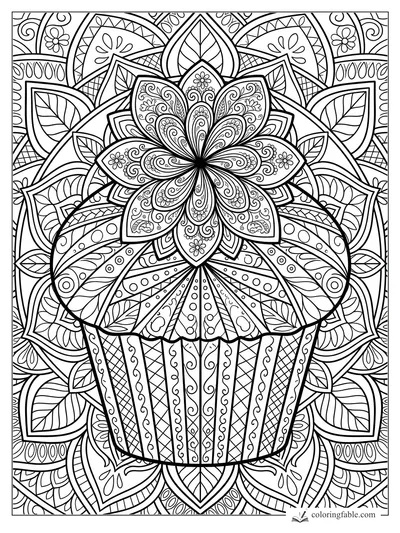
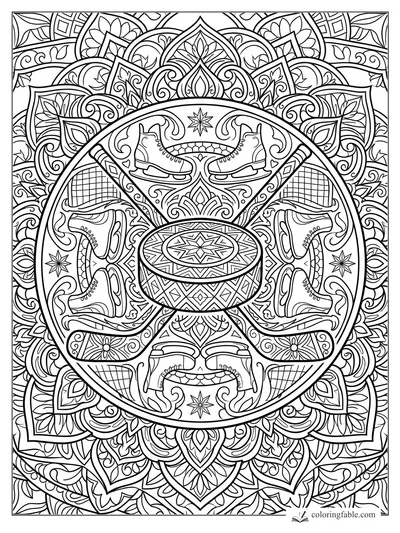
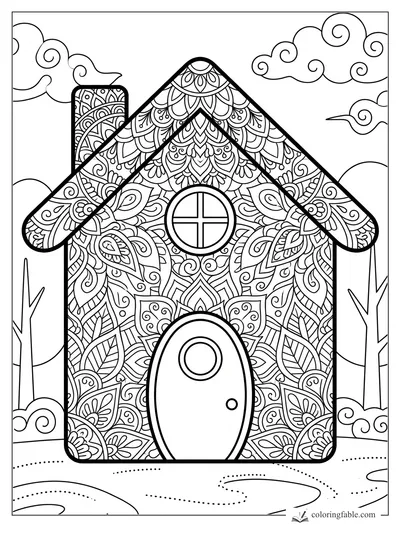
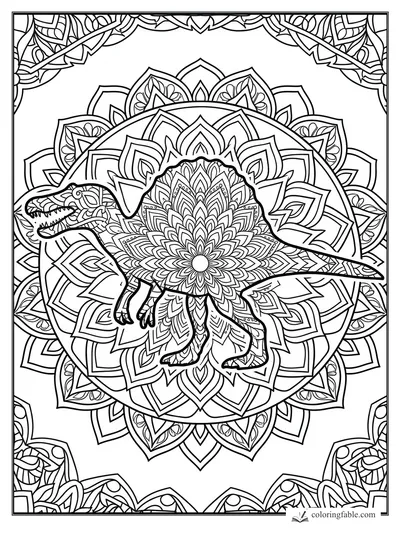
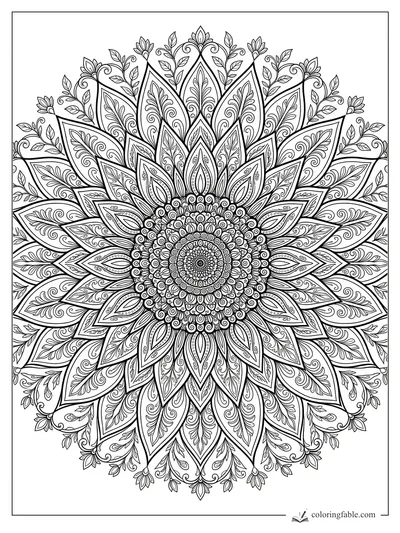
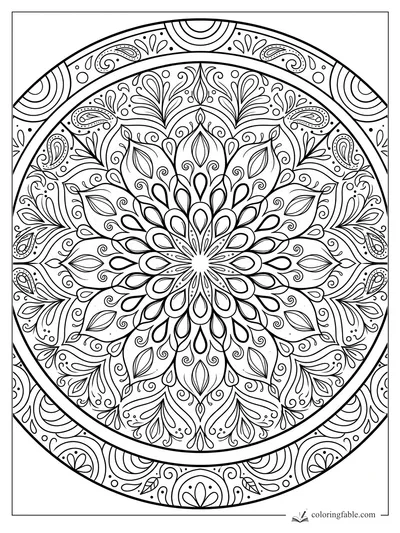
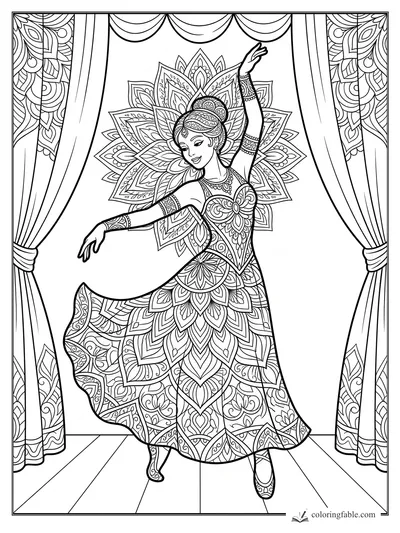
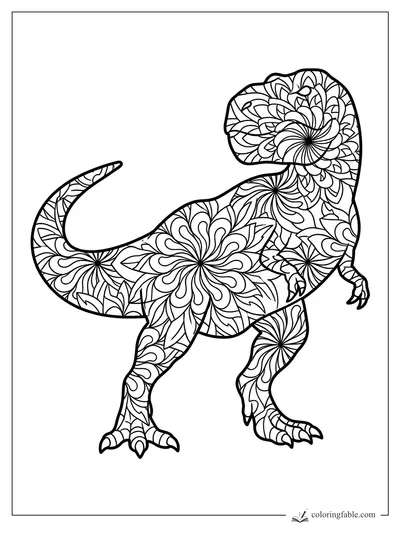
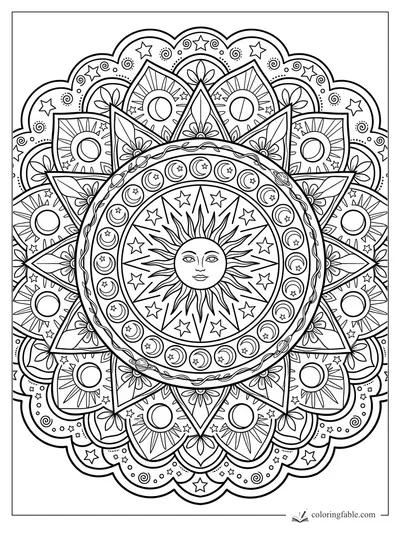
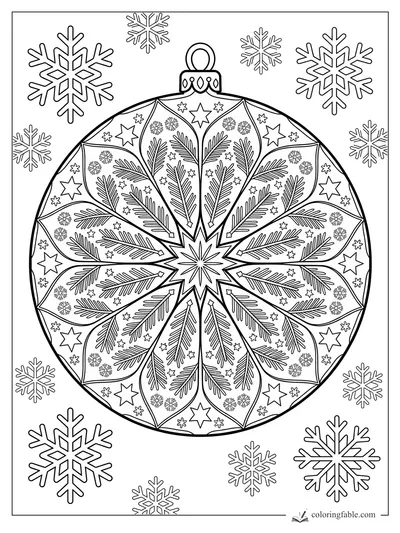
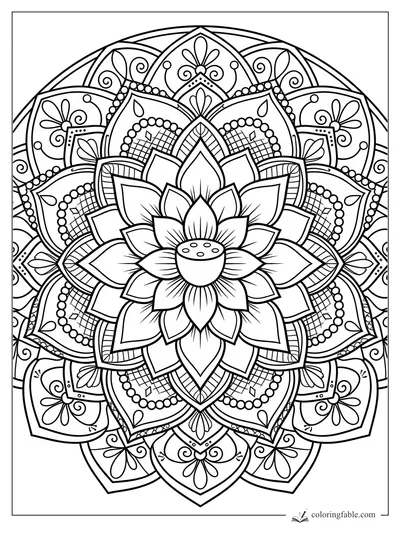
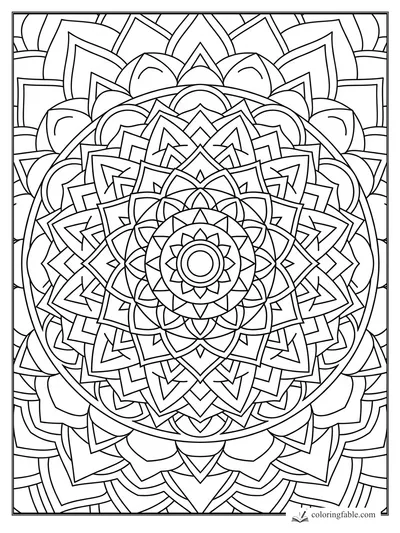
This mandala collection brings together printable circular designs built from petals, rings, triangles, stars, and repeating abstract patterns. Some pages use wide spaces and clear outlines for younger kids or quick coloring breaks, while others pack in tiny borders, layered rosettes, and detailed symmetry for teens and adults who enjoy slower, focused work. You’ll find simple beginner mandalas, floral mandalas, geometric mandalas, and ornate designs that reward careful color planning. They work well for classroom quiet time, rainy afternoons, art centers, or anyone who likes patterns that grow outward from the center.
Mandala coloring pages are built on perfect radial symmetry: patterns that repeat around a center, sector after sector. Colorists love them because the structure does the planning for you — pick a small palette, repeat it around the circle, and watch order emerge.
The Mandala collection
75 original pages drawn FOR this style — the heart of the theme.
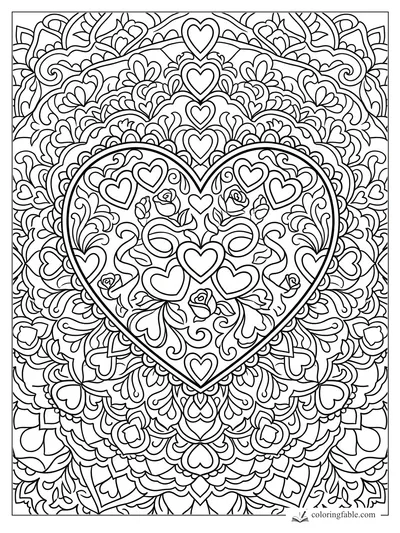
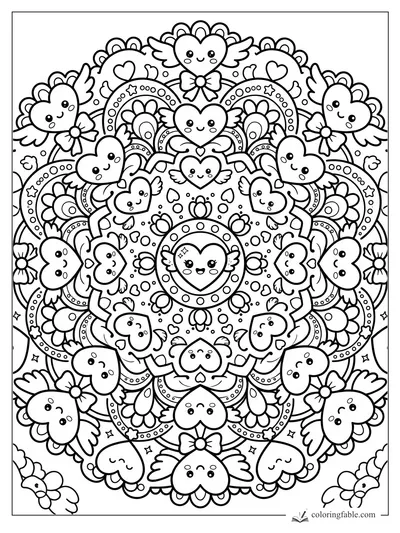
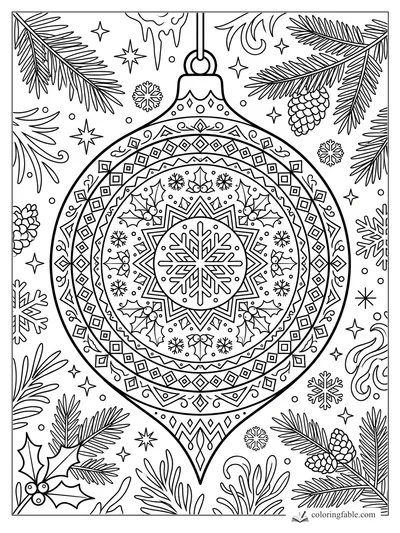
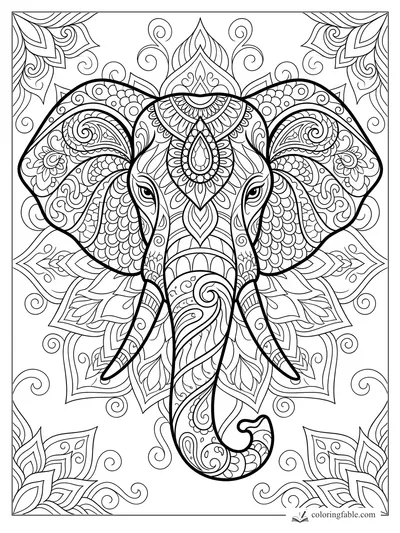
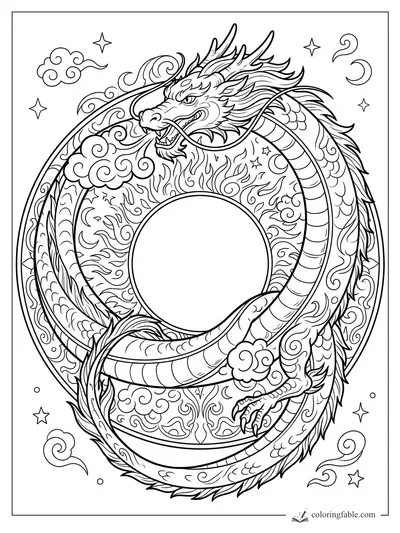
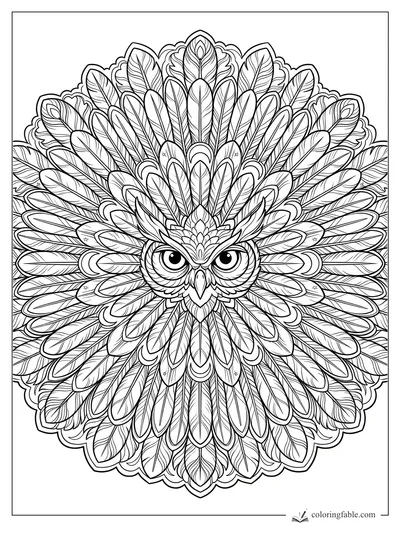
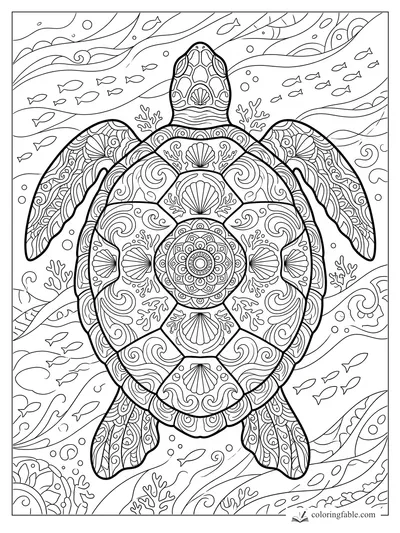
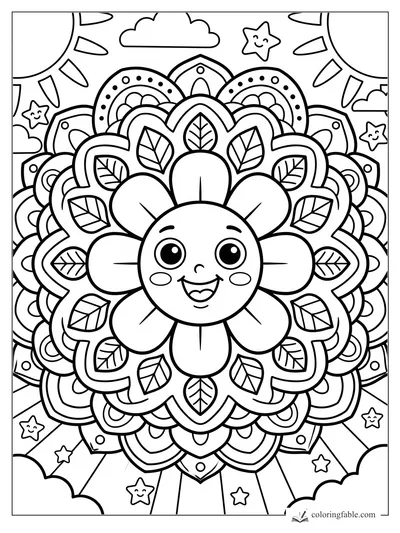
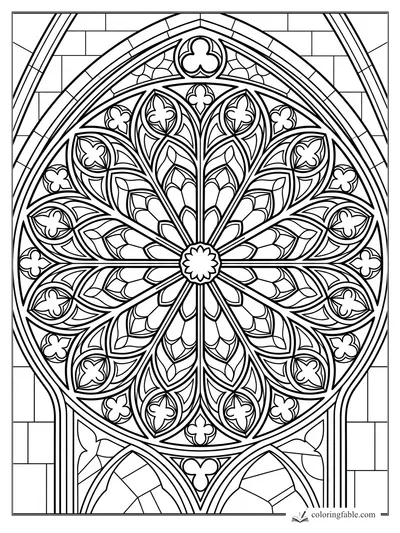
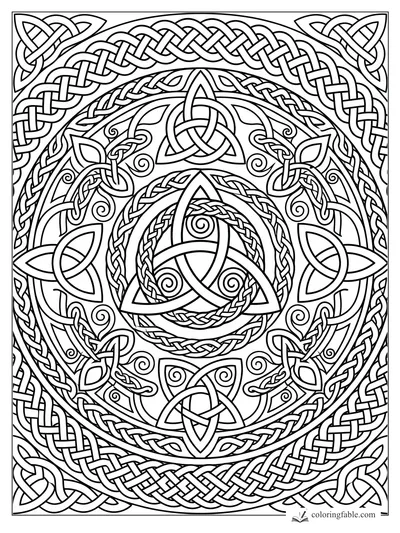
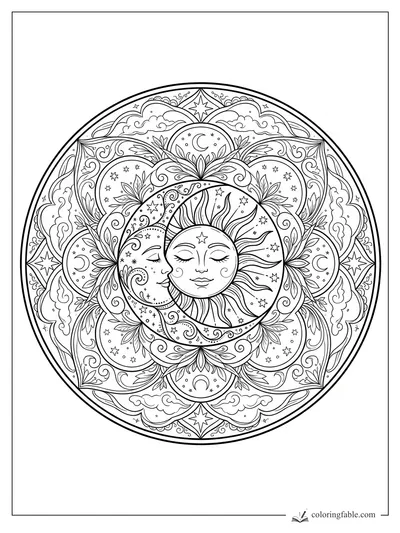
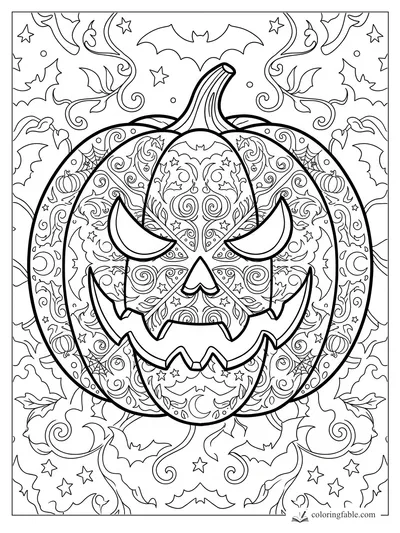
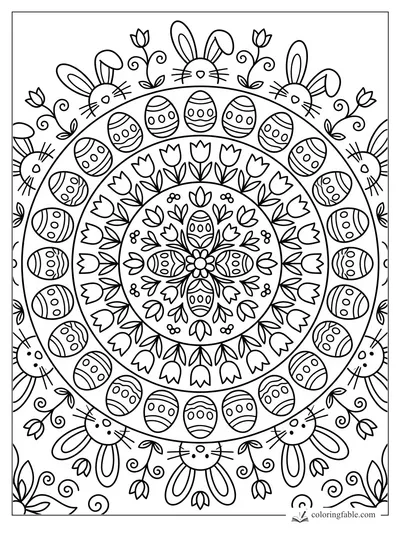
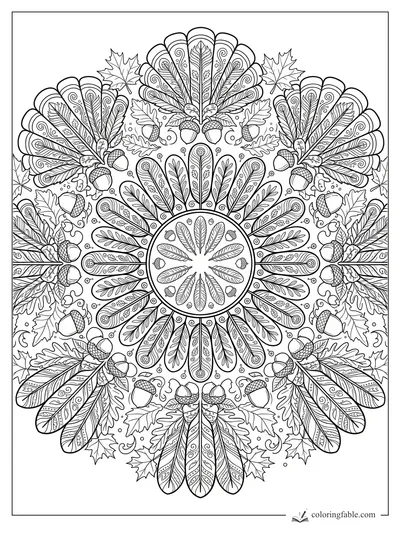
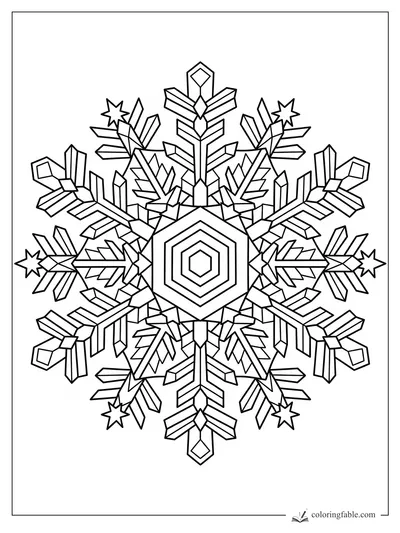
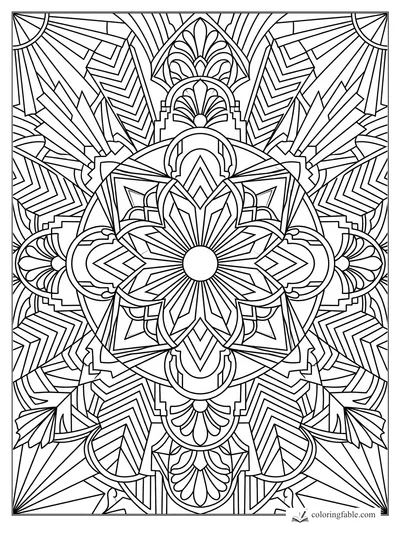
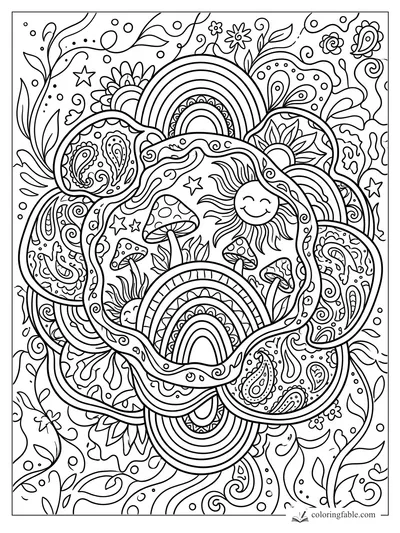
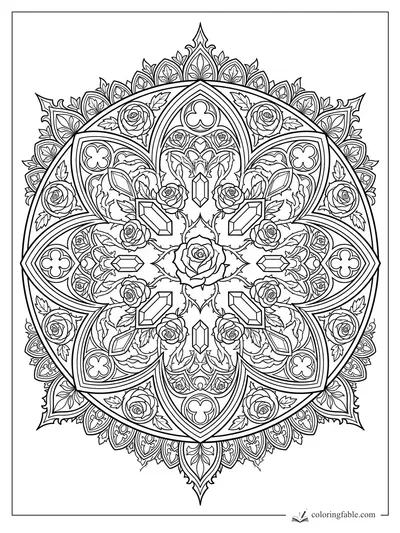
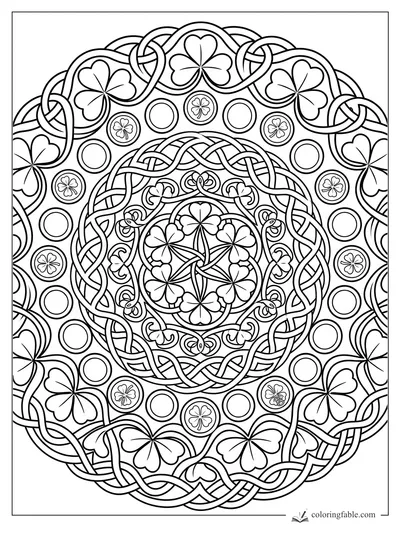
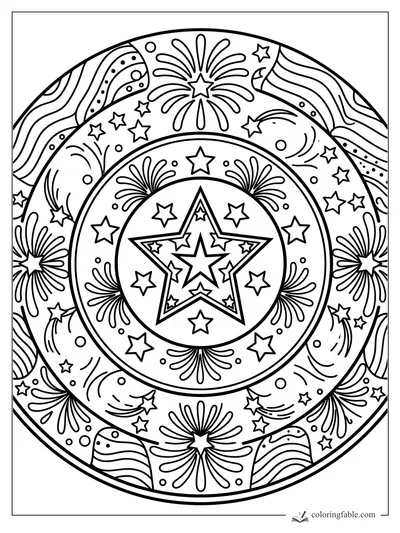
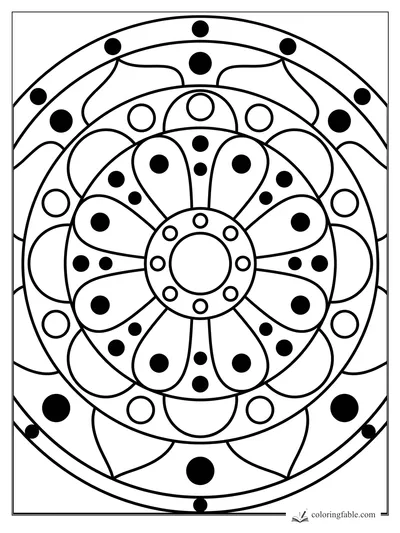
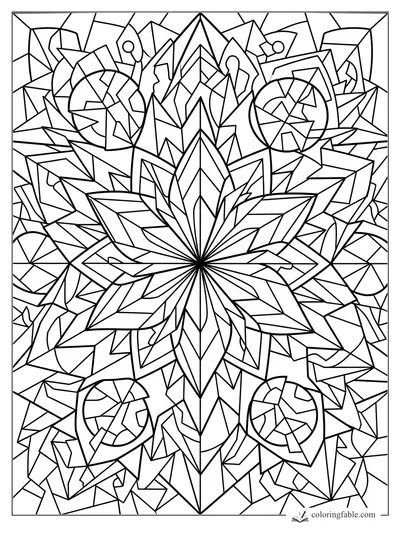
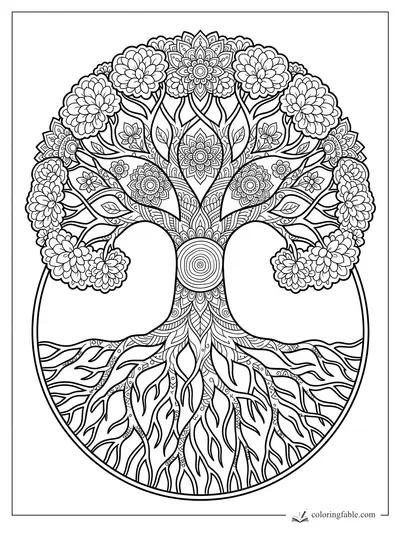
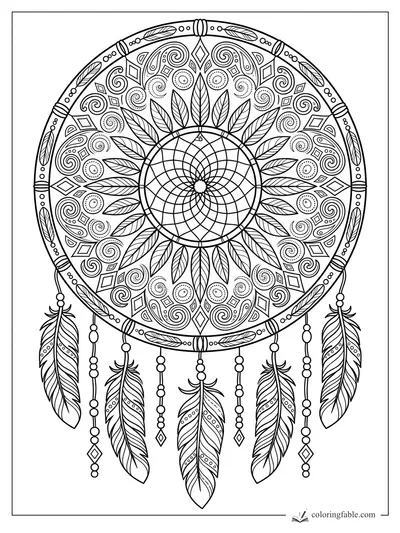
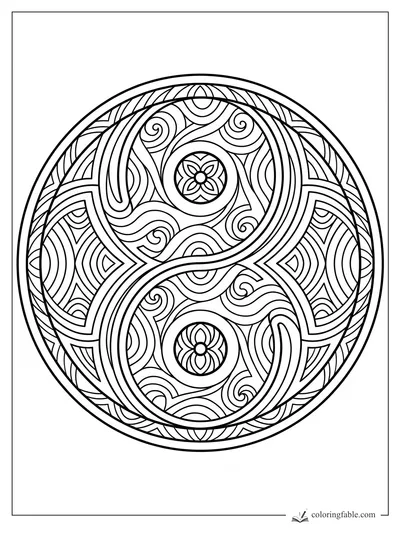
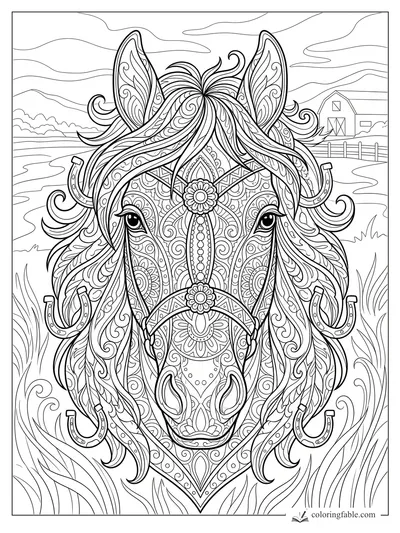
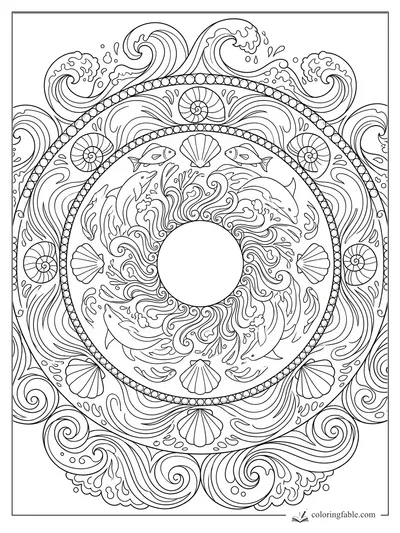
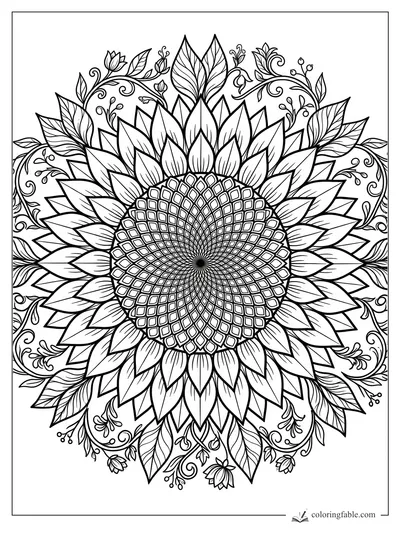
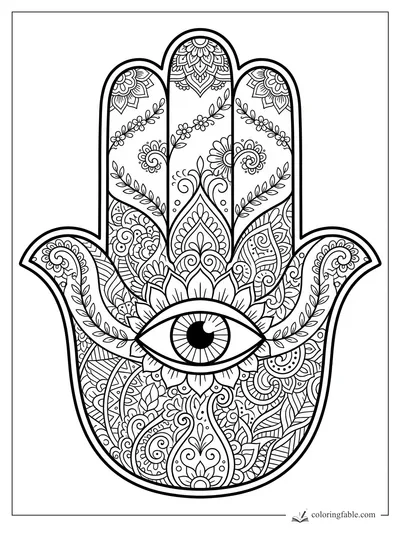
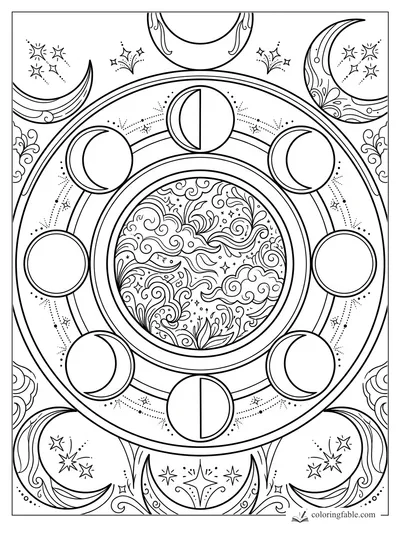
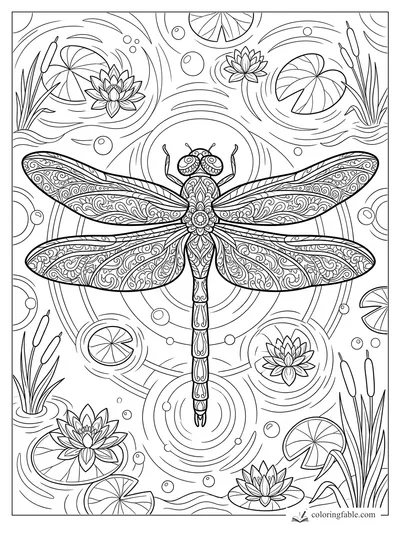
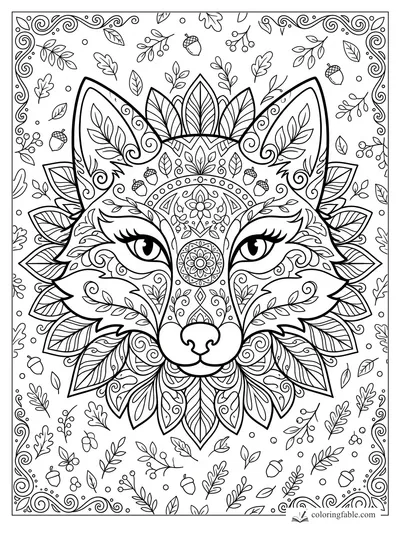
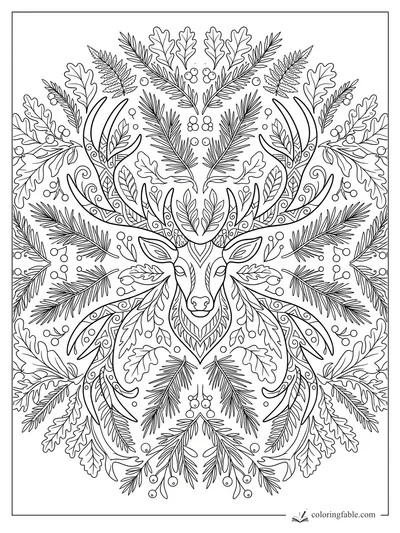
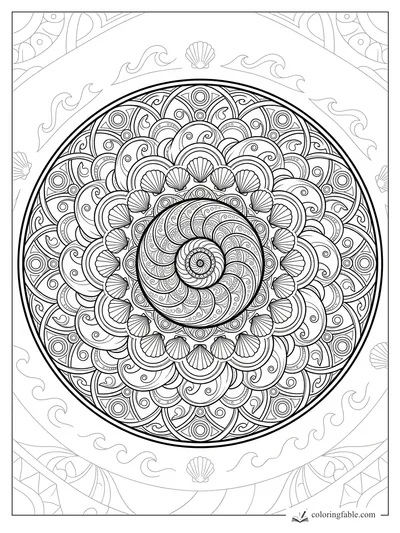
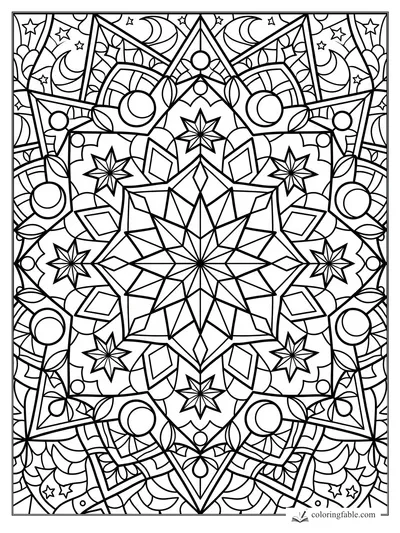
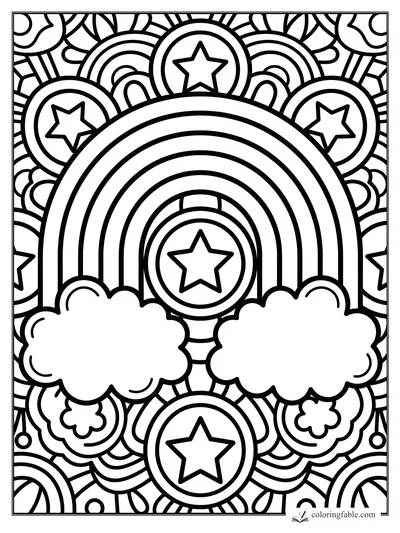
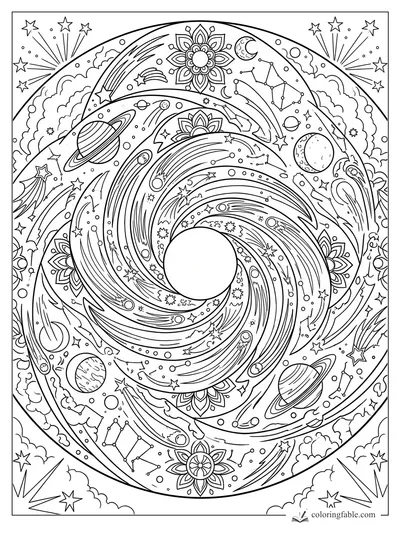
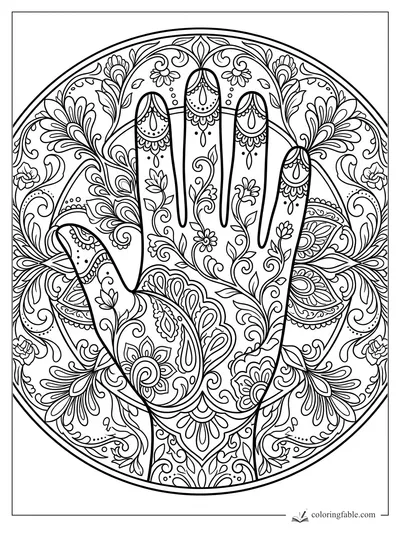
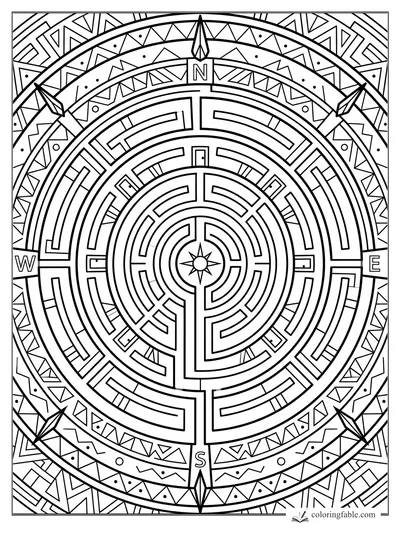
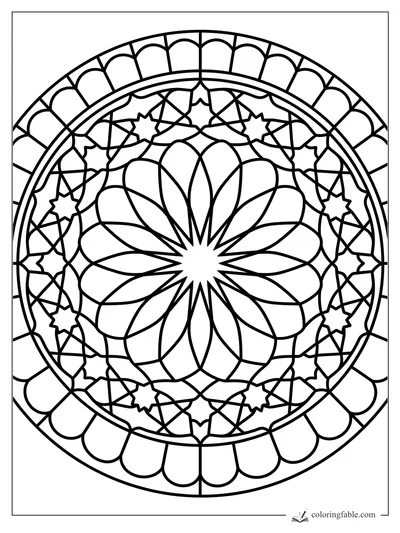
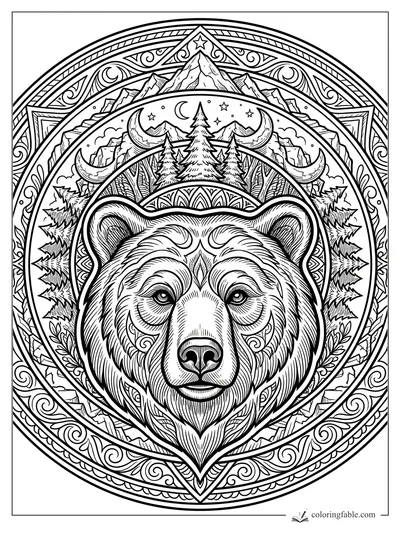
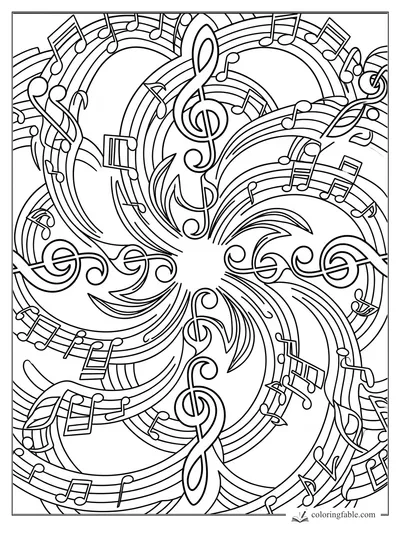
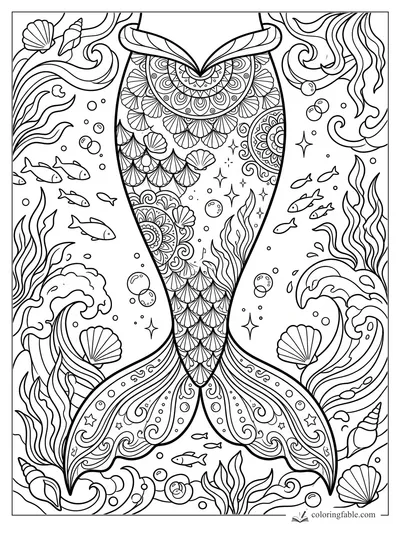
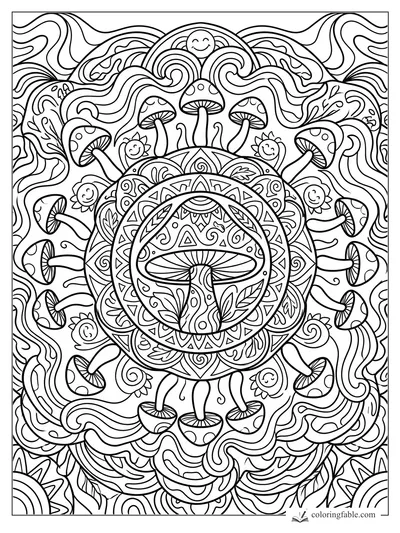
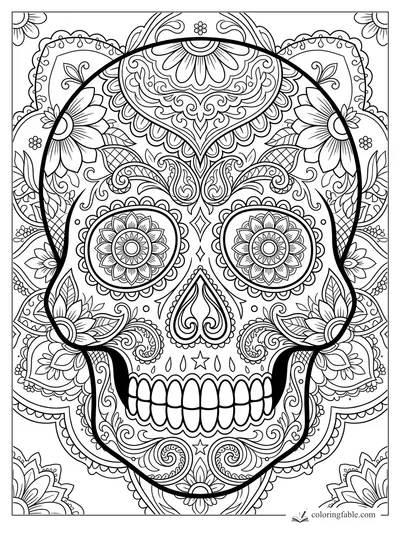
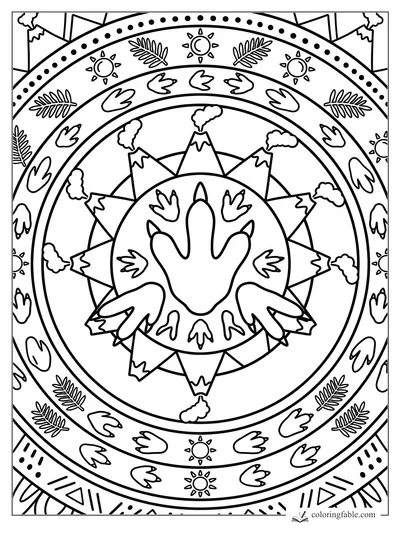
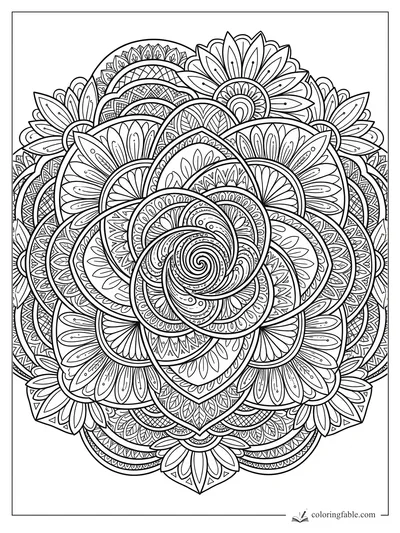
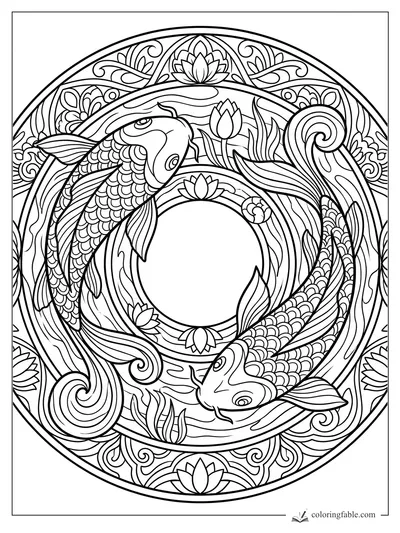
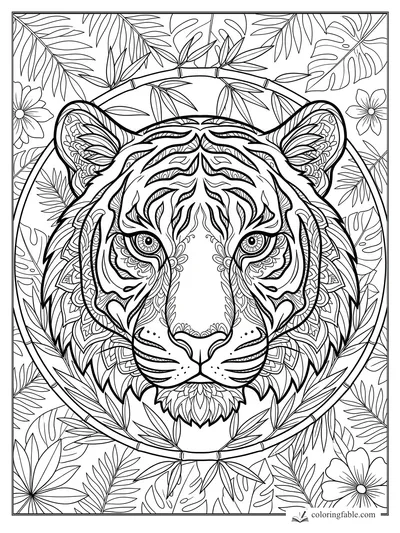
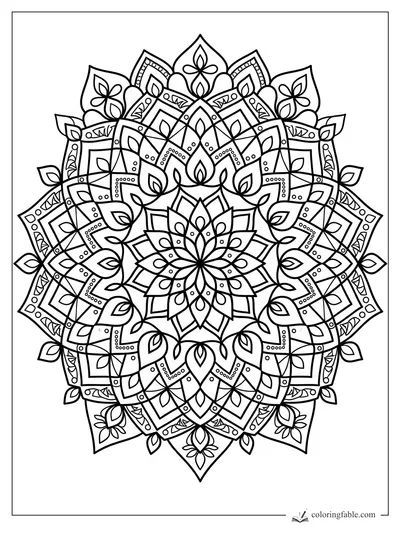
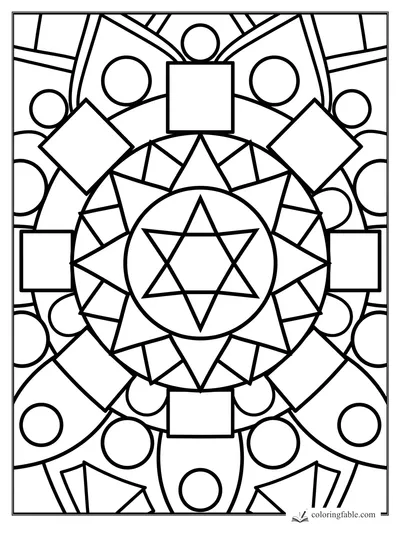
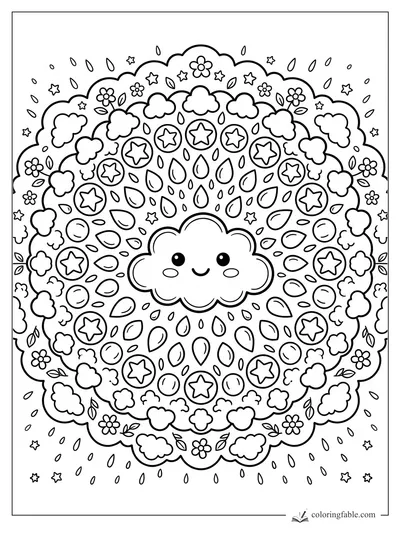
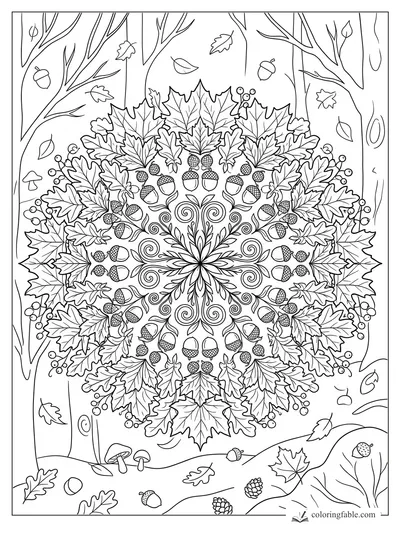
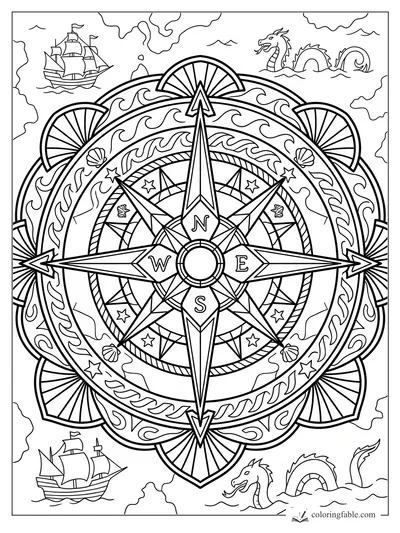
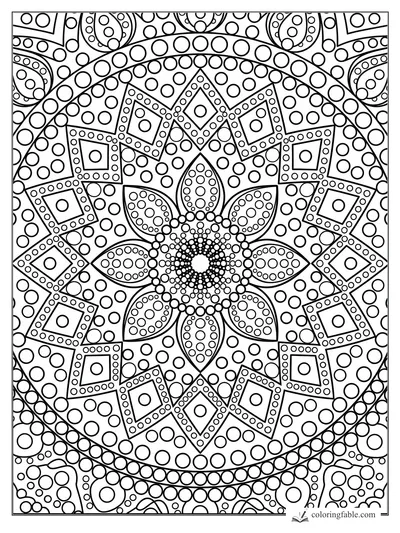
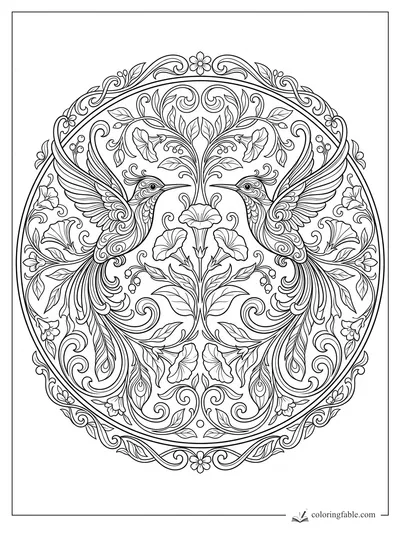
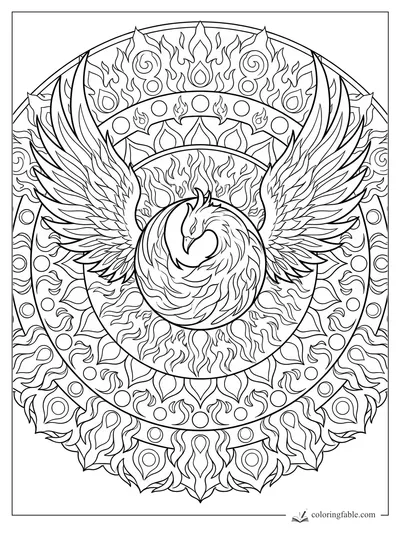
Mandala pages by style, mood and season
Mandala across all our worlds
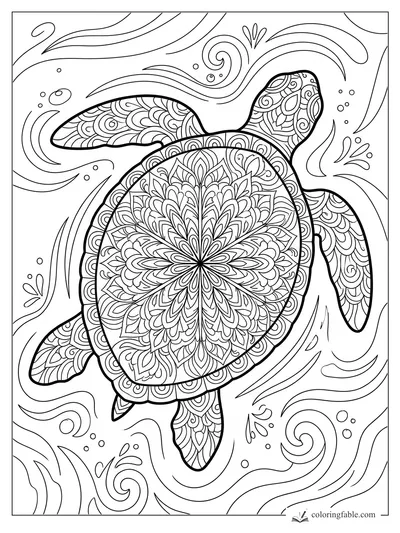
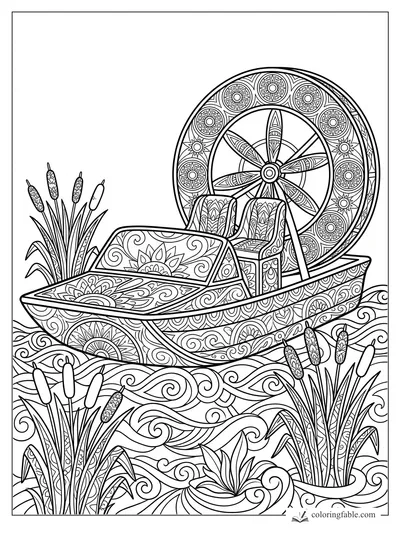
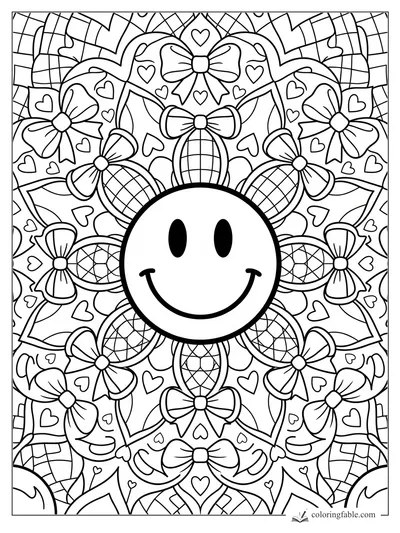
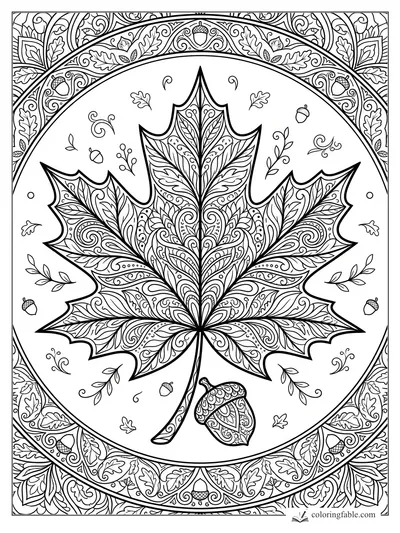
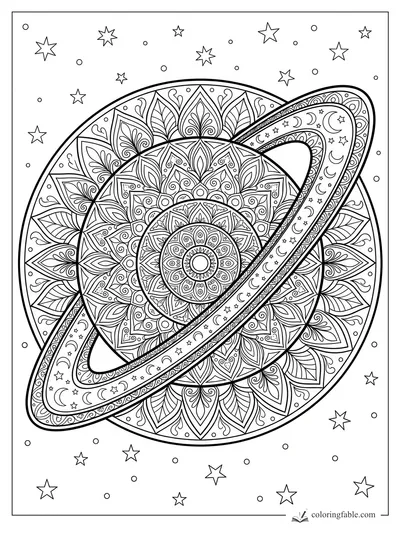
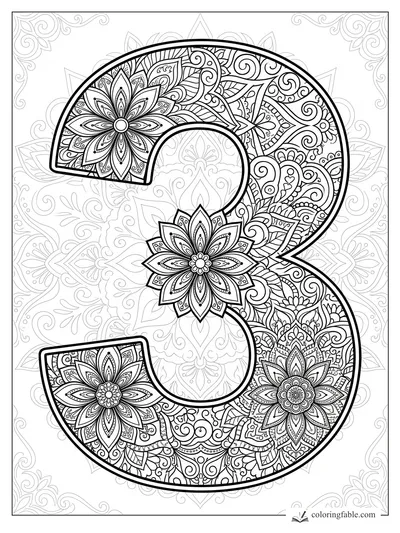
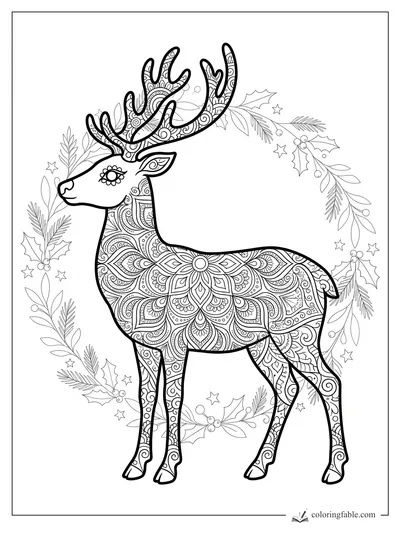
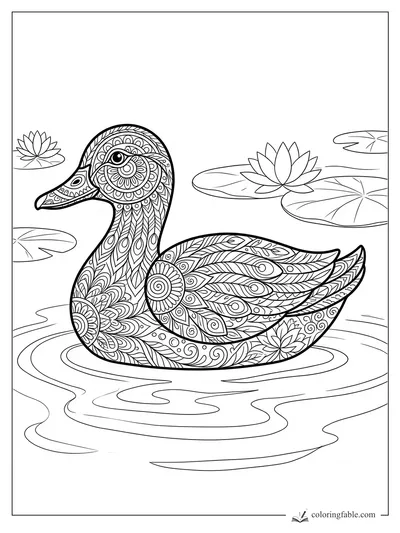
The mandala style lives beyond its collection — a varied pick from the rest of the catalog, each page linking home. A sample of 48 pages out of 212.


Fun facts to share while coloring
The word “mandala” comes from Sanskrit and means “circle.” Mandalas appear in Hindu and Buddhist traditions, often as symbolic diagrams with a center point and balanced shapes radiating outward. In Tibetan Buddhism, monks may spend days creating sand mandalas with colored grains, then sweep them away to show that beautiful things can be temporary. Many mandalas use radial symmetry, which means parts of the design repeat around a central point like spokes on a wheel. Psychologist Carl Jung also studied and drew mandalas, seeing them as images connected to order, balance, and the self.
Coloring tips
A classic mandala palette often starts with deep indigo, turquoise, saffron yellow, ruby red, emerald green, violet, warm orange, and touches of white or gold. Because mandalas repeat in rings, try coloring one shape in every section before moving to the next color; this keeps the symmetry easy to follow and helps the pattern feel balanced. For tiny petals and borders, sharpened colored pencils or fine-tip markers give better control, while gel pens can highlight dots, centers, and thin outlines. For a theme-specific twist, color the mandala as a “mood compass”: choose one color family for the center, then let each outer ring shift gradually from calm blues to bright sunrise colors.
You might also like

More styles and moods to explore
The same worlds drawn another way — each page gathers the whole catalog in one style or mood.